Best Garage Refrigerator for Atlanta Homes (2026)
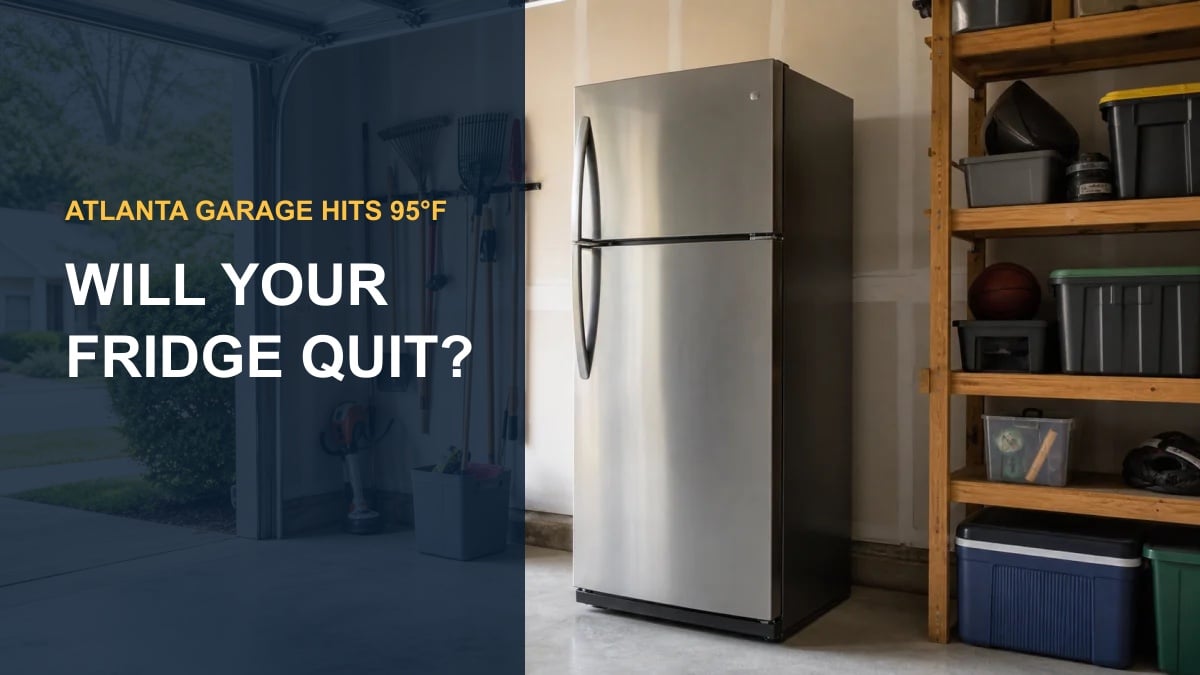
It is July in Atlanta, 95°F outside, and the closed garage feels like an oven.
You reach for an ice-cold drink and find warm cans beside ice cream that has started to soften.
The problem may not be the thermostat setting. A standard kitchen refrigerator can be operating outside the ambient range its manufacturer approved.
The best garage refrigerator for most Atlanta homes is a true garage-ready top-freezer with a published range that covers the measured space.
Our best overall fit—if you can verify remaining stock—is the 21.9-cu.-ft. GE GTS22KYNRFS.
GE tested it to perform from 38°F to 110°F, but the manufacturer now marks this exact stainless suffix as no longer manufactured.
It combines useful overflow capacity with a straightforward layout. The best choice changes if the garage falls below 38°F, is unusually narrow, or needs refrigerator-only storage.
Recommendations use current manufacturer specifications, capacity, energy use, practical fit, and independent stress-test reporting. ATL Playbook did not personally test every refrigerator.
Atlanta Garage Refrigerator Cheat Sheet
| Checkpoint | Standard indoor refrigerator | Garage-ready target |
|---|---|---|
| Ambient operating range | Often intended for conditioned-room temperatures; the exact approved range varies | A manufacturer-published range that covers the garage you actually measured; many current picks are rated 38–110°F |
| Cold-weather behavior | May cycle too little when the room falls below its approved range, allowing the freezer to warm | Designed and tested to operate across its stated range; the engineering method varies by model |
| Atlanta summer | May run longer or lose safe temperatures when garage heat exceeds its rating | Must still hold the refrigerator at 40°F or below and the freezer at 0°F within its rated conditions |
| Humidity and installation | Condensation and performance depend on dew point, airflow, clearance, and door-seal condition | Still needs a covered, dry location, required ventilation clearances, and an intact gasket |
“Garage-ready” is a verified operating range—not a universal promise of 0–110°F performance.
Do not assume every model uses dual sensors, a heater kit, a special compressor, or corrosion-proof construction. Verify the exact manual and model suffix.
Best garage refrigerator picks at a glance
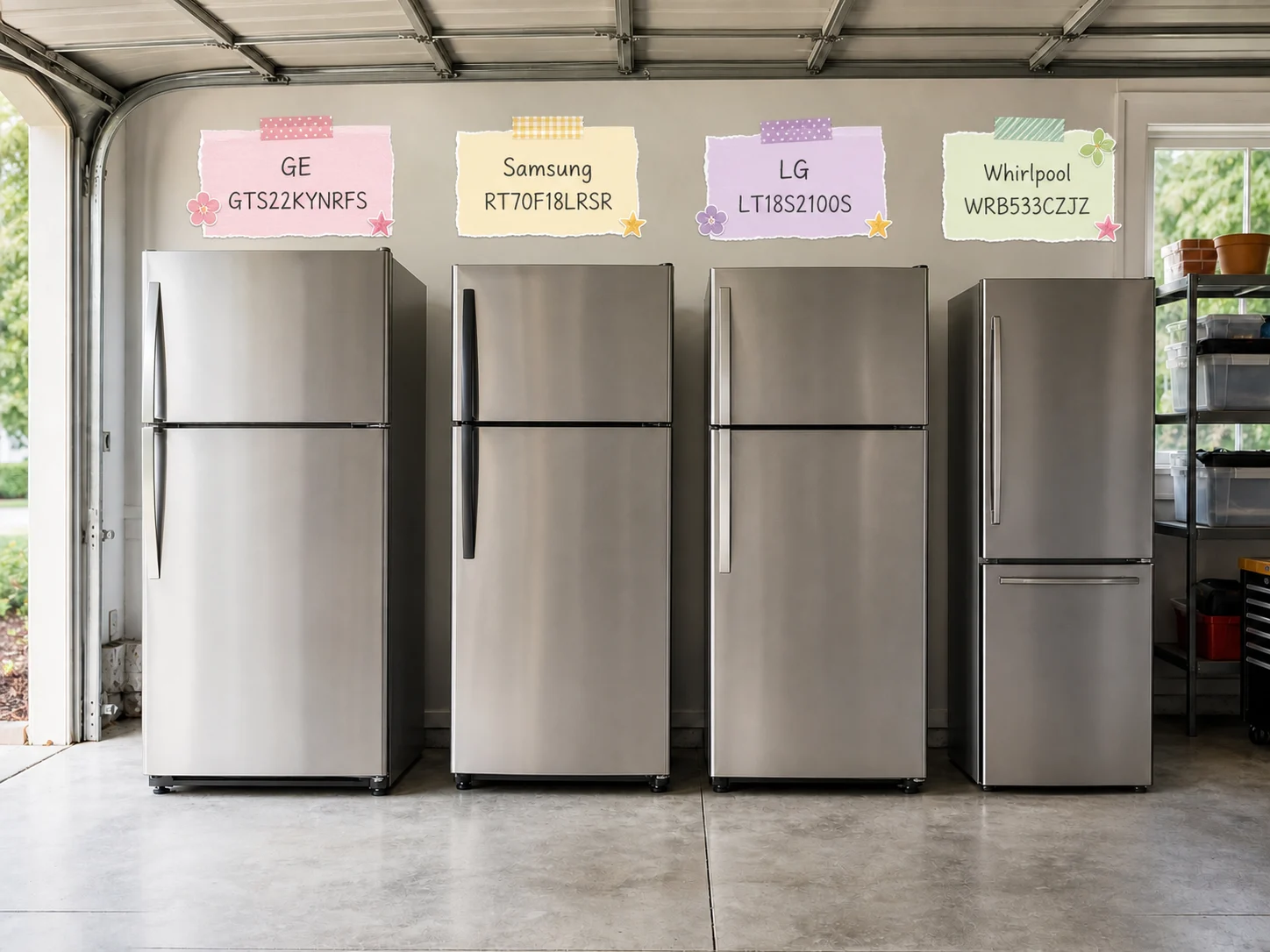
- Best overall if available: GE GTS22KYNRFS, 21.9 cu. ft.
- Best current value: Samsung RT70F18LRSR, 18 cu. ft.
- Best simple large-capacity alternative: LG LT18S2100S, 18 cu. ft.
- Best for a narrow garage: Whirlpool WRB533CZJZ, 12.9 cu. ft.
- Operating-range target: A manufacturer-published rating that covers your measured garage temperature
The Battle-Tested Garage Champions: Best Models Compared
| Model | Why it stands out | Best for | Watch for |
|---|---|---|---|
| GE GTS22KYNRFS | 21.9 cu. ft.; GE publishes a 38–110°F range | Bulk groceries and family overflow | GE lists this exact suffix as discontinued; verify remaining stock and seller |
| Samsung RT70F18LRSR | 18 cu. ft.; garage-ready, ENERGY STAR certified, reversible door | Value and tighter footprints | Check local delivery and finish availability |
| LG LT18S2100S | 18 cu. ft.; garage-ready, straightforward top-freezer layout | Simple secondary-food storage | Confirm the exact model suffix and local stock |
| Whirlpool WRB533CZJZ | 24 inches wide; 12.9 cu. ft.; 38–110°F published range | Narrow garages and smaller households | Less capacity; availability can fluctuate |
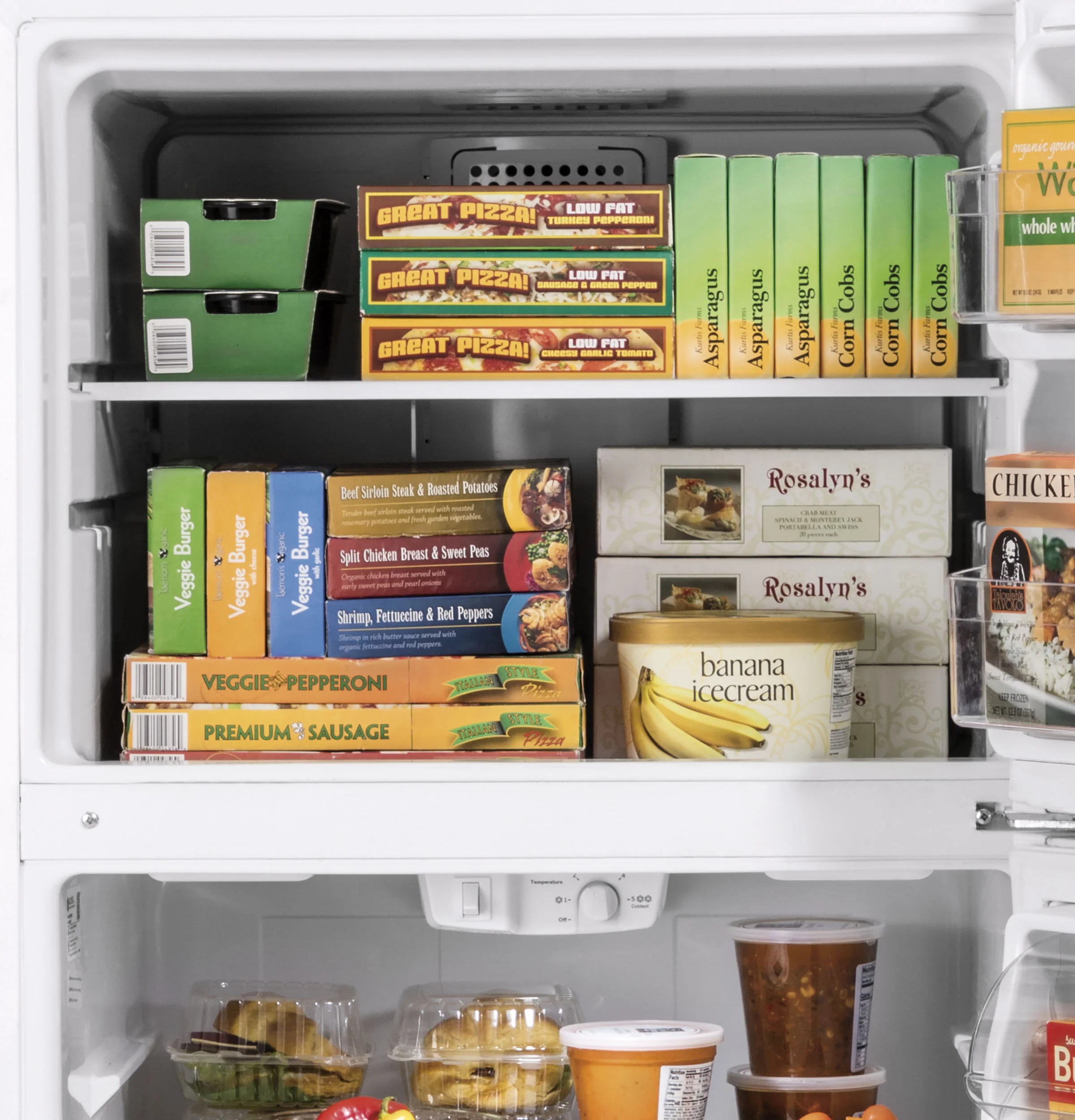
Best Overall If Available: GE GTS22KYNRFS
The GE GTS22KYNRFS is the strongest all-around recommendation because it answers the main Atlanta garage problem directly: heat.
GE says its garage-ready top-freezer models are tested to perform from 38°F to 110°F, a range broad enough for many attached and covered metro Atlanta garages when installation clearances are respected.
The 21.9-cu.-ft. capacity is large enough to function as true overflow storage rather than an expensive beverage cooler.
Separate controls, adjustable glass shelving, LED lighting, and modular door bins make it easier to divide drinks, bulk meat, frozen food, and party trays.
GE currently marks this exact stainless suffix as no longer manufactured and temporarily out of stock on its own product page.
That makes it a remaining-inventory recommendation, not a promise of ongoing factory availability.
Before ordering from a marketplace seller, verify delivery, return terms, condition, and manufacturer-warranty coverage. Choose the Samsung alternative below if dependable local stock matters more than capacity.
The reason to choose it is not a flashy screen or dispenser.
It is the match between a published temperature envelope and a relatively simple top-freezer design.
Confirm the current model number on GE’s garage-ready refrigerator page, because finishes and retailer suffixes can differ.

Three alternatives for different garages
Best value: Samsung RT70F18LRSR
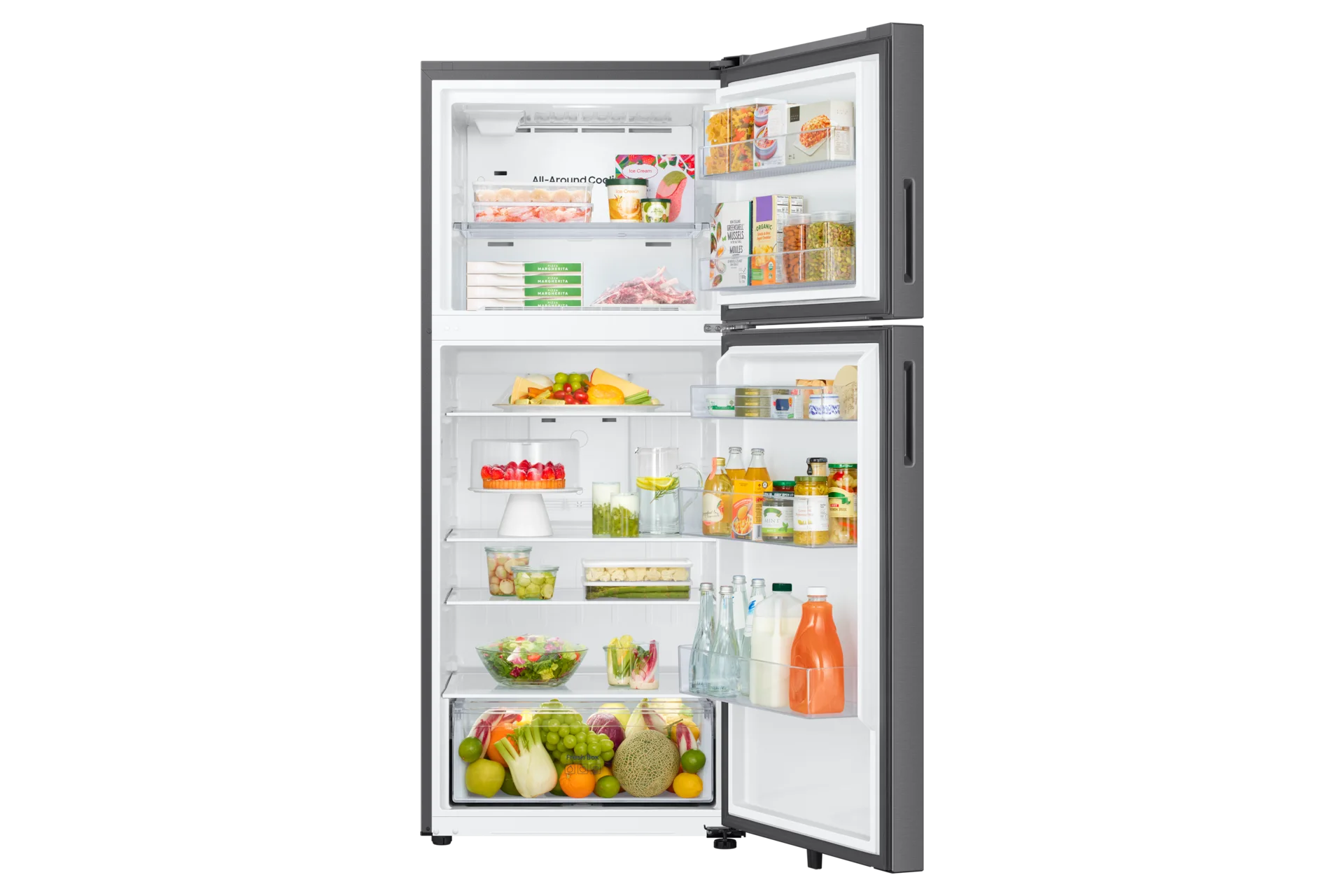
Samsung’s 18-cu.-ft.
RT70F18LRSR is the value pick when 22 cubic feet would be excessive.
Samsung describes it as garage-ready from 38°F to 110°F and lists ENERGY STAR certification, reversible doors, all-around cooling, and optional automatic ice-making capability.
Independent 2026 reporting based on Consumer Reports testing also highlighted its temperature accuracy and uniformity in a 110°F stress test.
The tradeoff is less interior volume and a more modest crisper, which matters if this will hold produce rather than drinks and frozen overflow.
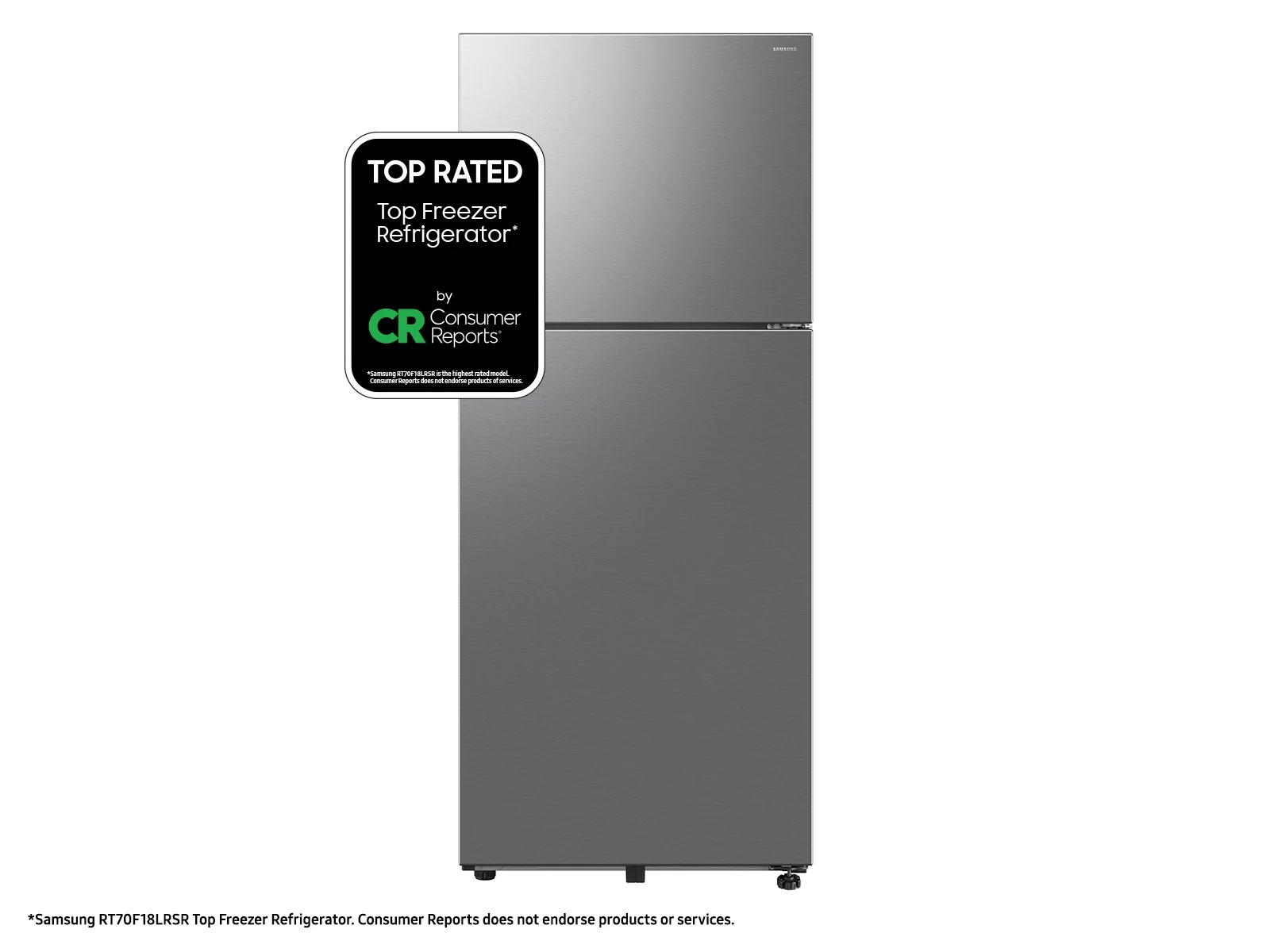
Best simple alternative: LG LT18S2100S
The LG LT18S2100S is another 18-cu.-ft. garage-ready top-freezer with a reversible door and multi-air-flow system.
It makes sense for homeowners who want a clean, conventional interior and do not need the capacity of the GE.
Do not substitute the similarly named LRTLS2403S without checking the manual. That larger 24-cu.-ft. model is a strong conventional top-freezer.
But a retailer calling it “good for a garage” is not equivalent to a manufacturer-published operating range for that exact model.
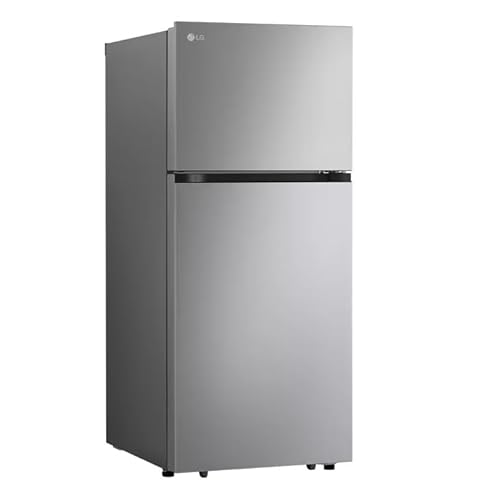
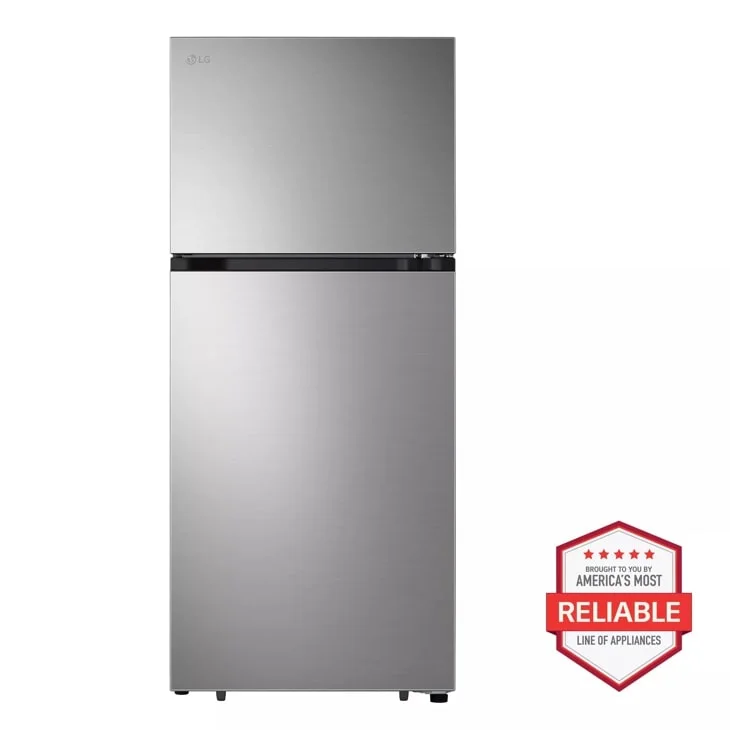
Best narrow option: Whirlpool WRB533CZJZ
At 24 inches wide and 12.9 cubic feet, the Whirlpool WRB533CZJZ is easier to fit beside shelving or a workbench.
Whirlpool publishes a 38–110°F range and includes exterior temperature controls, adjustable door bins, and a bottom freezer.
Its narrower cabinet is the reason to buy it, not the cost per cubic foot.
Availability has fluctuated, so treat it as a fit-driven alternative and verify current Atlanta-area stock before planning the space around it.
The Georgia Heat Threat: Why Standard Fridges Fail
Atlanta’s normal July high is around 90°F, but a closed garage can run warmer than the outdoor air.
Winter is milder than in northern states, yet cold snaps can still take an unconditioned garage below a standard refrigerator’s preferred room-temperature range.
That is why the garage-ready label matters.
A refrigerator senses the surrounding temperature as it decides when to run.
A standard top-freezer in a cold garage may not cycle often enough to keep the freezer properly frozen; in extreme heat, it may run continuously, lose efficiency, or fail to hold a safe refrigerator temperature.
Atlanta garage check
Place a min/max thermometer in the intended location for at least a hot week and a cold spell. Buy for the measured ambient range—not the weather-app temperature.
The Small Alarm That Can Save a Garage Freezer
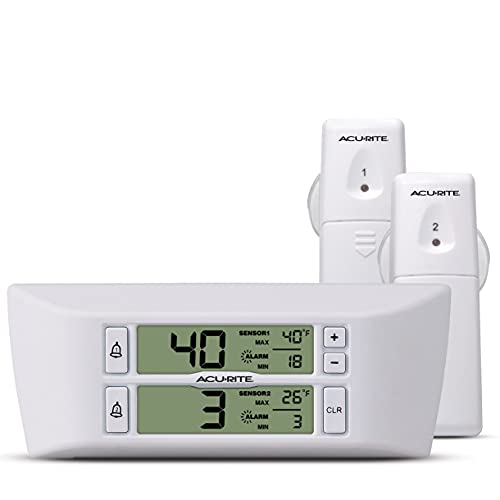
Before stocking a garage refrigerator for an Atlanta heat wave, put one sensor in the refrigerator and the other in the freezer.
The AcuRite 00986M sends both readings to an indoor display, records highs and lows, and sounds a customizable alarm after a temperature remains outside the set range for 15 minutes.
It can warn you about a heat spike, cooling failure, or door problem before the next garage visit.
This is a local audible display, not a Wi-Fi or phone-alert system. AcuRite lists a 75-foot wireless range, so test reception from the intended indoor location before relying on it.
Garage refrigerator buying checklist
- Measure ambient temperature. Confirm the exact model’s published range covers the garage.
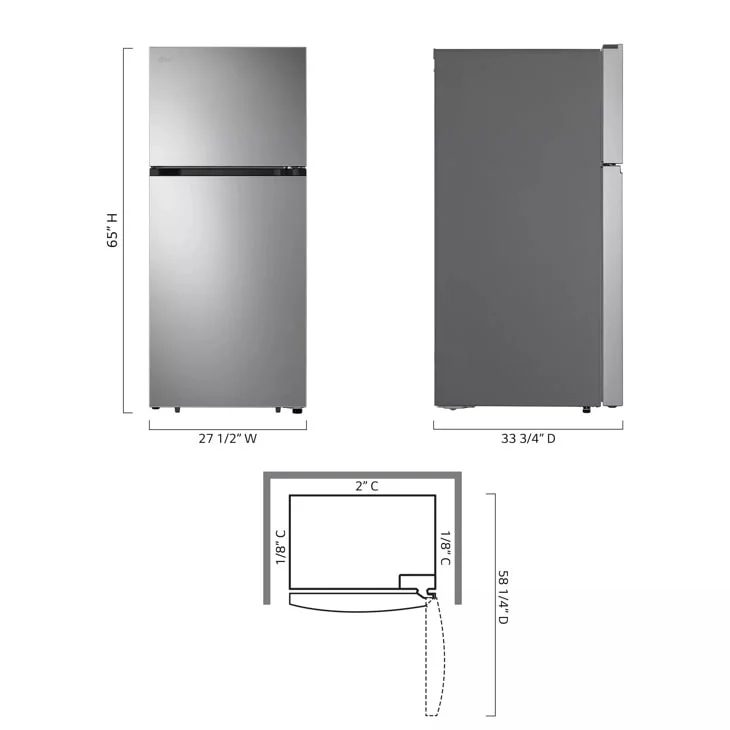
- Measure the whole path. Check garage door, house door, steps, turns, cabinet depth, hinges, and handle clearance.
- Allow ventilation. Follow the manual’s side, top, and rear clearances; do not box the condenser into hot stagnant air.
- Choose the right volume. An 18-cu.-ft. model is enough for many beverage and overflow needs; 21–22 cu. ft. better supports bulk-food storage.
- Decide whether you need a freezer. Refrigerator-only space is more useful for parties, while a top freezer handles frozen bulk buys.
- Check the circuit and outlet. Use a grounded outlet and installation that complies with the manual and local electrical requirements; avoid casual extension-cord setups.
- Read the EnergyGuide label. A second refrigerator runs all year, and garage heat can increase consumption.
Install it for reliable cooling
A garage-ready refrigerator can still struggle if it is pushed against a wall, exposed to direct afternoon sun, surrounded by gasoline vapors, or plugged into an unsuitable circuit.
Keep it in a covered indoor garage, level the cabinet, preserve the manufacturer’s clearances, and leave space for the door to open fully.
Use appliance thermometers in both compartments after installation.
The FDA recommends keeping the refrigerator at or below 40°F and the freezer at 0°F.
Check temperatures after a power outage, a heat wave, or a large grocery load rather than assuming the control dial equals the actual food temperature.
Do not store paint thinner, gasoline, or other flammable materials against the appliance.
If the outlet trips, the compressor runs continuously, or food temperatures drift, stop treating the problem as an organization issue and consult the manual or a qualified appliance technician.
Frequently asked questions
Do I really need a garage-ready refrigerator in Atlanta?
Usually, yes, if the garage is not climate controlled. Atlanta garages can exceed normal indoor temperatures in summer and occasionally become cold enough in winter to disrupt a standard refrigerator. Measure the space and match it to the exact model’s published ambient range.
What temperature range should a garage refrigerator handle?
Many current garage-ready models publish a range of 38°F to 110°F. Your measured garage range and the exact owner’s manual are more important than a generic label.
Can I put an old kitchen refrigerator in the garage?
It may run, but it may not hold safe temperatures across seasonal swings and can use more electricity. ENERGY STAR advises homeowners to think carefully before moving an old refrigerator into the garage.
What is the best garage refrigerator for most Atlanta families?
The GE GTS22KYNRFS is our best overall fit when verifiable remaining stock is available, but GE now lists this exact suffix as discontinued. Choose the current Samsung 18-cu.-ft. alternative when reliable availability matters more than maximum capacity.
Once the extra fridge is installed, browse our Home & Living guides for practical organization and appliance-care routines.
Sources and further reading
- GE Appliances: garage-ready top-freezer refrigerators
- Samsung RT70F18LRSR specifications
- Whirlpool WRB533CZJZ specifications
- FDA refrigerator food-safety guidance
Editorial note: Models and specifications were checked in August 2026. Prices, promotions, availability, and model suffixes can change. Confirm the current product page, EnergyGuide label, warranty, and installation manual before buying.