Variegated Rubber Plant: Care Tips and Growing Guide
variegated rubber plant care is the main question this guide answers. Start with the practical summary below, then use the seven-point variegated rubber plant care checklist to compare your plant or situation with the detailed guidance that follows.

Introduction
The variegated rubber plant, scientifically known as Ficus elastica, is a striking houseplant admired for its glossy leaves adorned with unique patterns of creamy white, yellow, or pink variegation. This guide will provide you with essential care tips and a comprehensive growing guide to help you cultivate and maintain a healthy and vibrant variegated rubber plant in your home.Understanding the Variegated Rubber Plant Overview and Characteristics
The variegated rubber plant belongs to the Moraceae family and is native to Southeast Asia. It shares many similarities with its non-variegated counterpart, featuring large, thick leaves that can range from dark green to deep burgundy, with contrasting variegation streaks.Types of Variegation
Variegated rubber plants can exhibit different types of variegation, including:- Creamy White: Leaves with creamy white streaks or patches.
- Yellow: Leaves with yellow variegation.
- Pink: Rarely, leaves may display pink variegation, adding a unique touch of color.
Common Problems and Solutions Variegation Loss
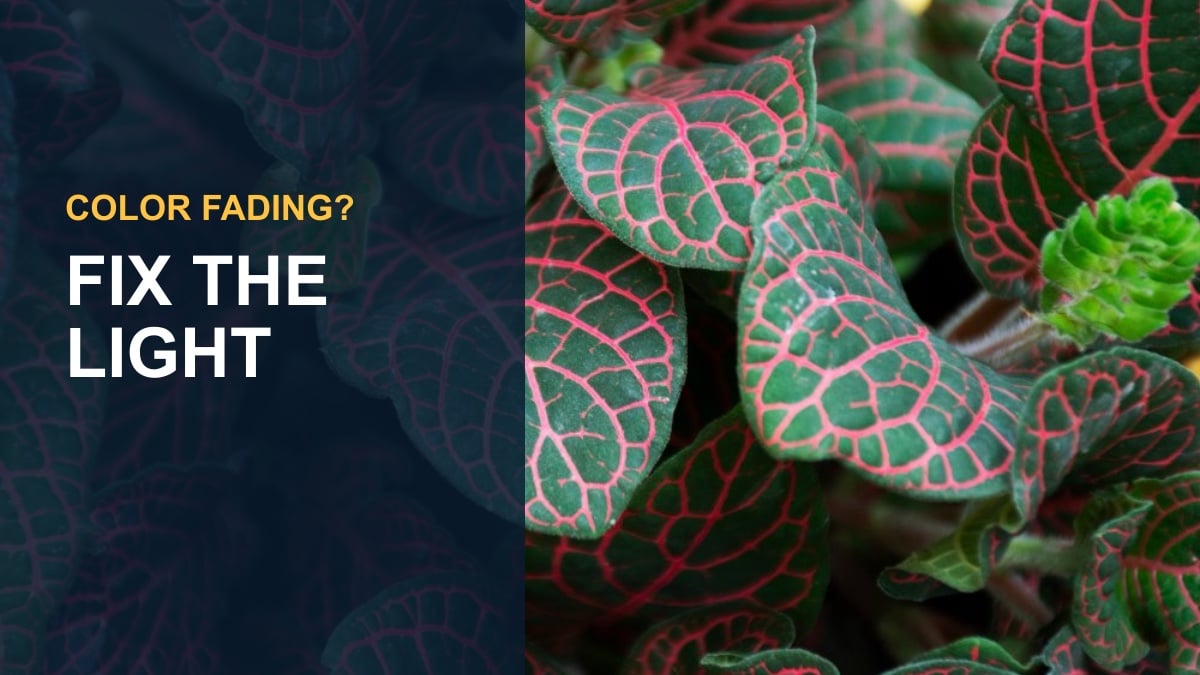
Variegated rubber plants may revert to solid green leaves due to inadequate light or genetic instability. Ensure proper lighting conditions and prune any solid green growth to maintain the variegation. Pests and Diseases Monitor your variegated rubber plant for common pests such as spider mites, mealybugs, and scale insects. Address infestations promptly by using insecticidal soap or neem oil. Moreover, to steer clear of fungal diseases like root rot, refrain from overwatering.Conclusion
Variegated rubber plants are stunning additions to any indoor space, offering vibrant foliage with unique patterns of variegation. By providing the right growing conditions and proper care, you can enjoy the beauty of these plants for years to come.FAQs
Can I propagate variegated rubber plants from leaf cuttings? While variegated rubber plants can be propagated from leaf cuttings, stem cuttings are more reliable for ensuring genetic stability and variegation. Why are the variegated patterns on my rubber plant fading? Variegation fading can occur due to insufficient light. Ensure your plant receives adequate bright, indirect sunlight to maintain vibrant variegation.variegated rubber plant care: 7-point practical checklist
variegated rubber plant care: Preserve attractive variegation with bright indirect light, even watering, and a free-draining mix. Judge new leaves after they harden, and avoid reacting to one imperfect leaf by changing several care factors at once.
- Confirm the plant and cultivar identity.
- Provide bright, useful indirect light.
- Check soil dryness before watering.
- Use a free-draining pot and mix.
- Keep leaves clean enough to inspect.
- Change one care variable at a time.
- Judge progress from healthy new growth.
For a useful comparison, read our Unlocking the Secrets of Properly Watering Your Burgundy Rubber Plant and the NC State Extension rubber plant reference. Use these notes when reviewing variegated rubber plant care, and change one variable at a time so the result is easier to interpret.
To shape a tall or sparse plant, follow the rubber plant pruning guide. If a dark cultivar is losing its characteristic color, compare light and maturity factors in Why Is My Burgundy Rubber Plant Green?.