How Often Should You Change a Refrigerator Water Filter?
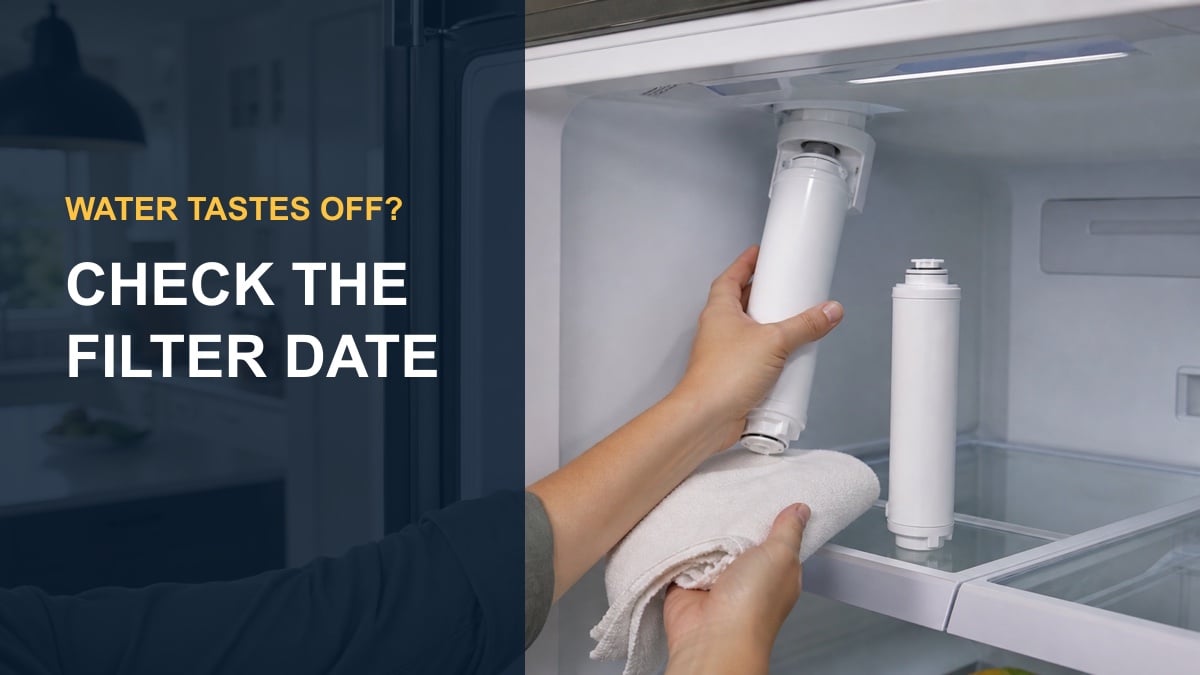
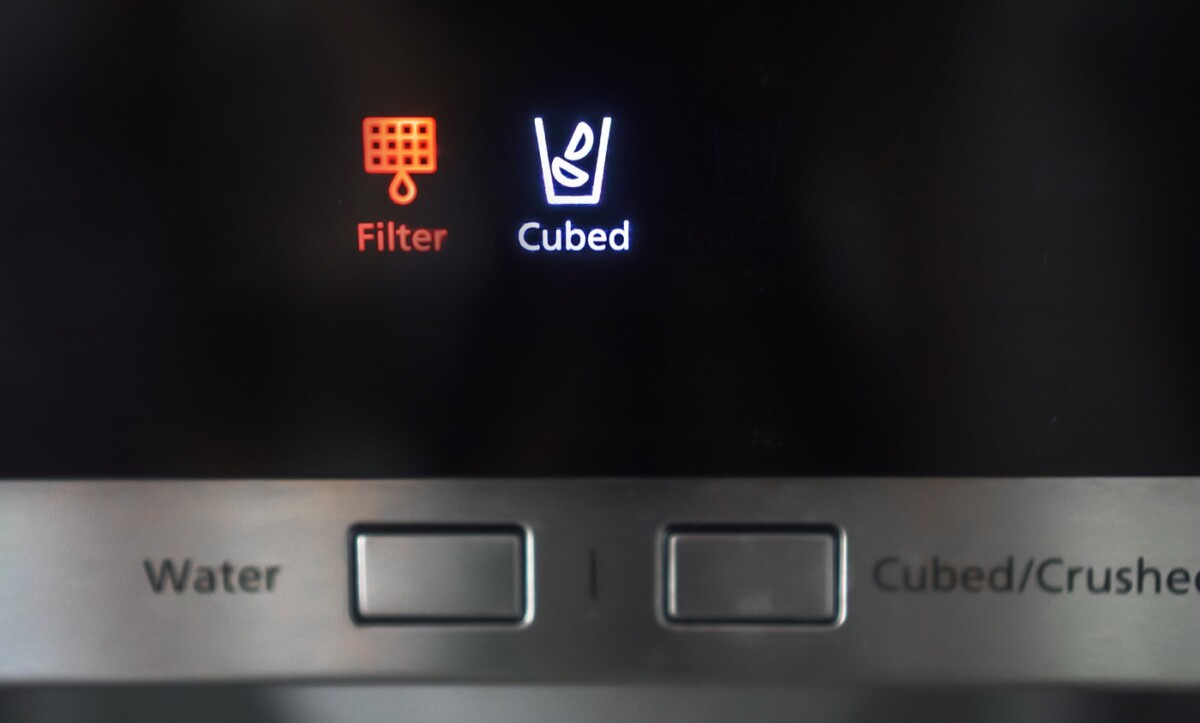
The filter light is easy to ignore when the water still looks clear. But a refrigerator filter is a capacity-limited cartridge, not a permanent appliance part.
Replace the refrigerator water filter at the interval or gallon capacity specified for your exact model—commonly about six months—and sooner when flow drops or water quality changes.
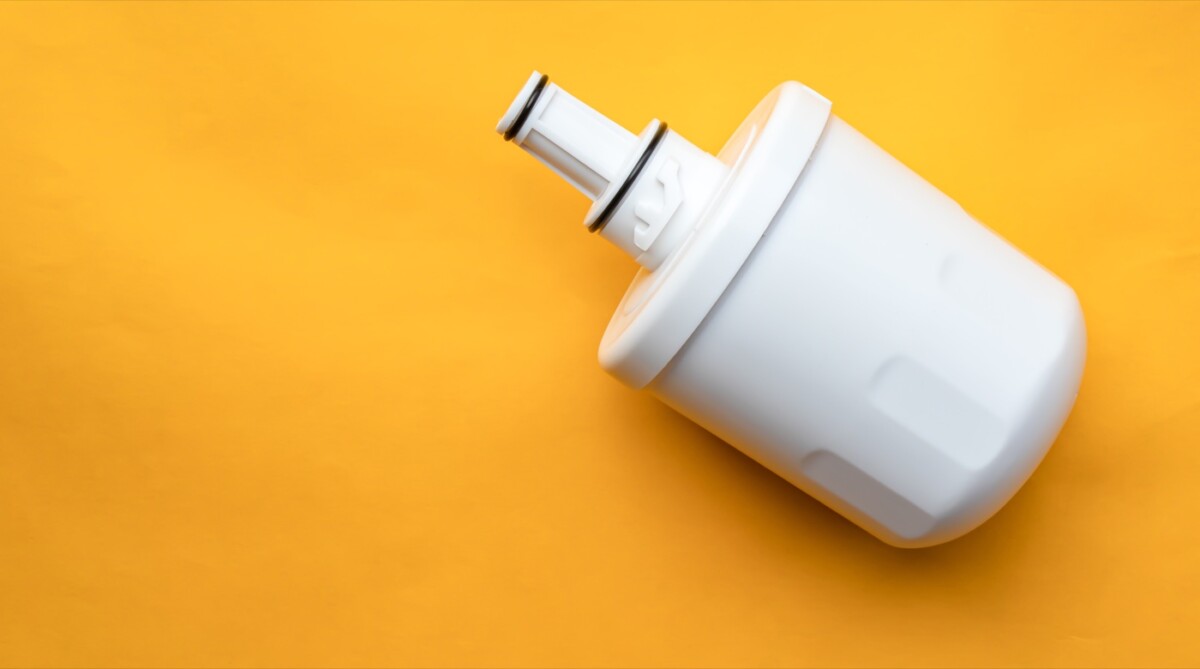
The correct replacement is determined by refrigerator model and certified filter compatibility, not by whether two cartridges look alike.
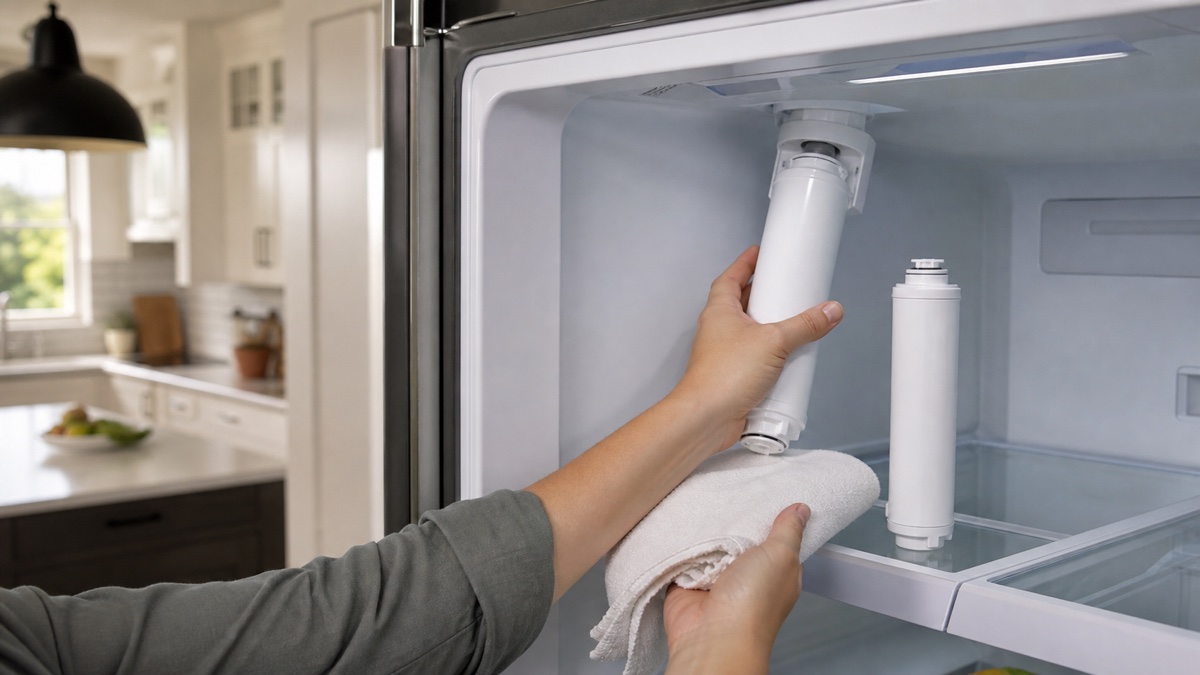
Six Months Is a Starting Point, Not a Universal Rule
GE Appliances currently recommends replacement every six months or after the model-specific gallon capacity, and earlier if dispenser or ice-maker flow declines. Other brands and cartridges may use a different capacity, so check the refrigerator manual and the filter label.
| Signal | What it may mean | Best response |
|---|---|---|
| Filter indicator turns on | Time or usage threshold reached | Confirm model and replace/reset as directed |
| Water flow slows | Loaded filter or supply issue | Replace if due; inspect supply if it persists |
| Taste or odor changes | Filter exhausted or water issue | Replace and flush; investigate persistent change |
| Visible particles or discoloration | Possible supply or plumbing problem | Stop use and investigate; do not rely on the filter alone |
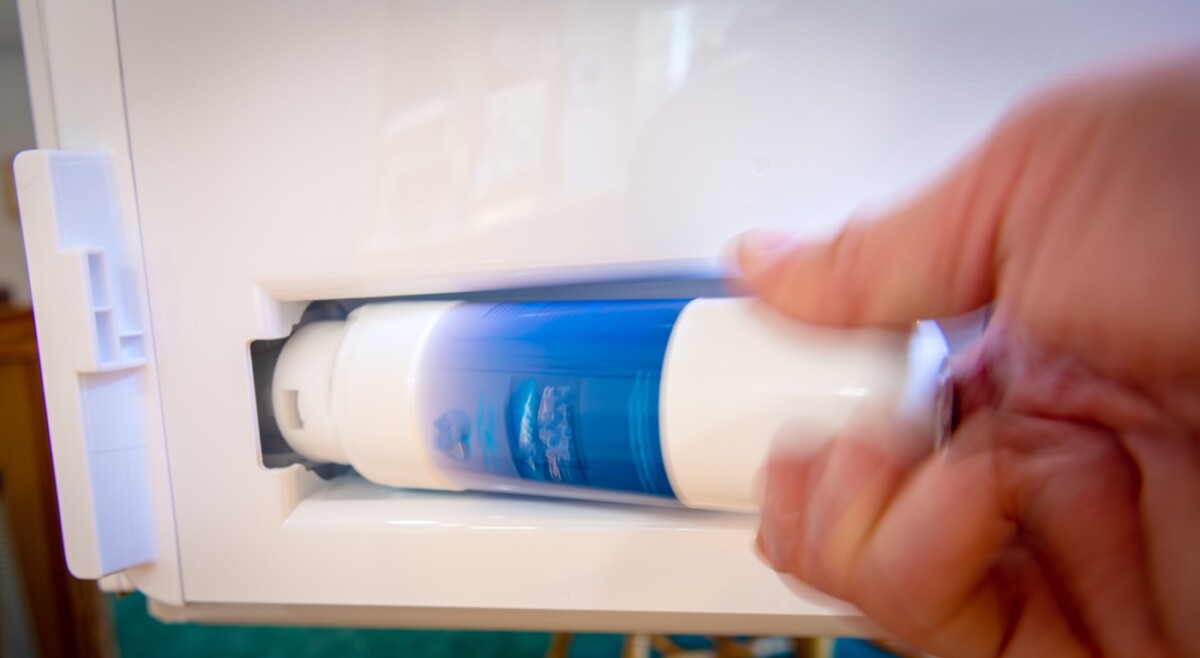
How to Choose the Right Replacement
- Find the refrigerator model number, usually inside the fresh-food compartment.
- Match the exact filter part number or the manufacturer’s approved substitute.
- Check third-party filters for the specific contaminant-reduction certification claimed, not merely a generic “tested” statement.
- Buy from a traceable retailer and inspect seals and packaging.
- Do not force a cartridge that does not seat normally.
A filter that physically fits is not automatically compatible or certified for the same reductions. A bypass plug, filter head, RFID feature, and required flushing volume can differ by model.
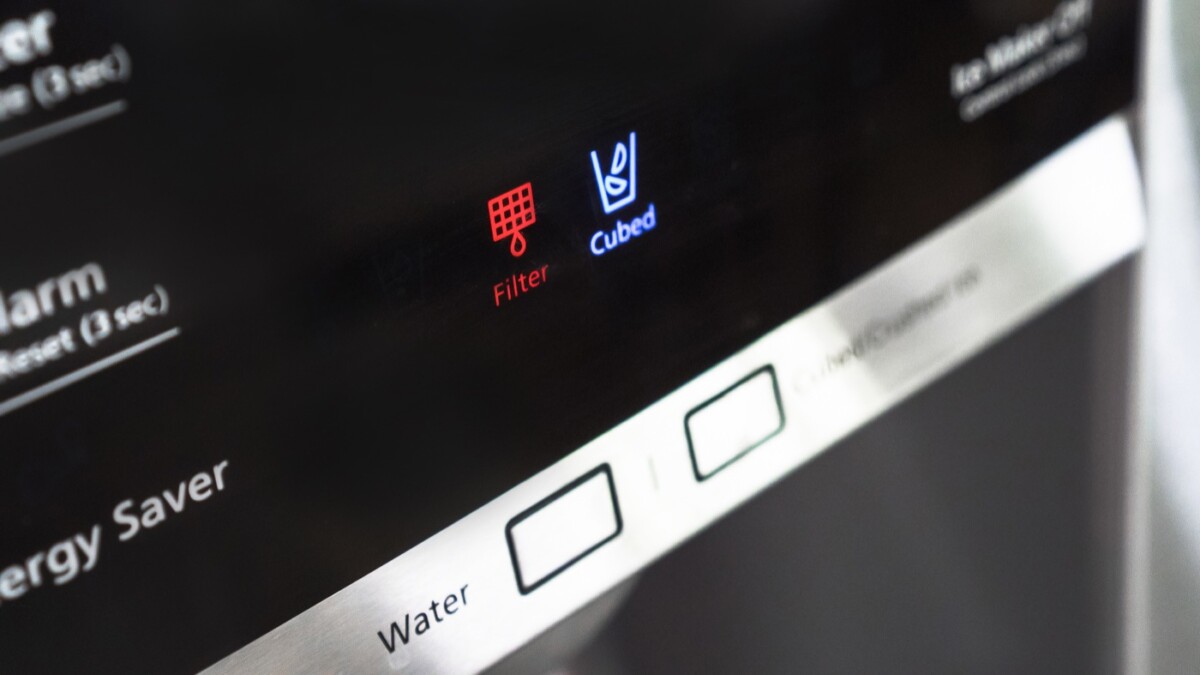
How to Replace and Flush the Filter
- Confirm the part number and read the model-specific installation steps.
- Place a towel under the housing. Turn off the water only when the manual requires it.
- Remove the old cartridge using the specified twist, push-button, or pull method.
- Remove protective caps from the new filter without touching sealing surfaces.
- Insert and lock the cartridge without forcing it.
- Flush the exact amount of water specified by the manufacturer and discard the first ice batches when directed.
- Reset the filter indicator and write the installation date on a reminder.
When a New Filter Does Not Fix the Problem
Air sputtering immediately after replacement can be normal during flushing. Continued low flow can point to an incompletely seated cartridge, frozen line, kinked supply tube, low household pressure, or valve problem. Leaks require immediate shutdown and inspection.
Use our food-safe refrigerator organization guide when you reset the filter reminder, and see the Atlanta garage refrigerator guide before placing a second appliance in a hot garage.
Frequently asked questions
What happens if I do not replace the refrigerator water filter?
Flow and filtration performance can decline as capacity is used. Follow the manual rather than waiting for a noticeable taste change.
Do I need to turn off the water first?
Some systems are designed for filter changes without shutting off the supply; others are not. Follow the exact model instructions and keep a towel ready.
Why is the water cloudy after replacement?
Fine air bubbles are common immediately after installation. Flush the specified volume. Persistent cloudiness, particles, odor, or discoloration requires investigation.
Sources and model guidance
Guidance checked in August 2026. Your appliance manual and product label take priority because removal steps, washable parts, and service intervals vary by model.