Propagate Umbrella Plant: A Guide to Growing Your Indoor Jungle
umbrella plant propagation is the main question this guide answers. Start with the practical summary below, then use the seven-point umbrella plant propagation checklist to compare your plant or situation with the detailed guidance that follows.
Understanding the Umbrella Plant
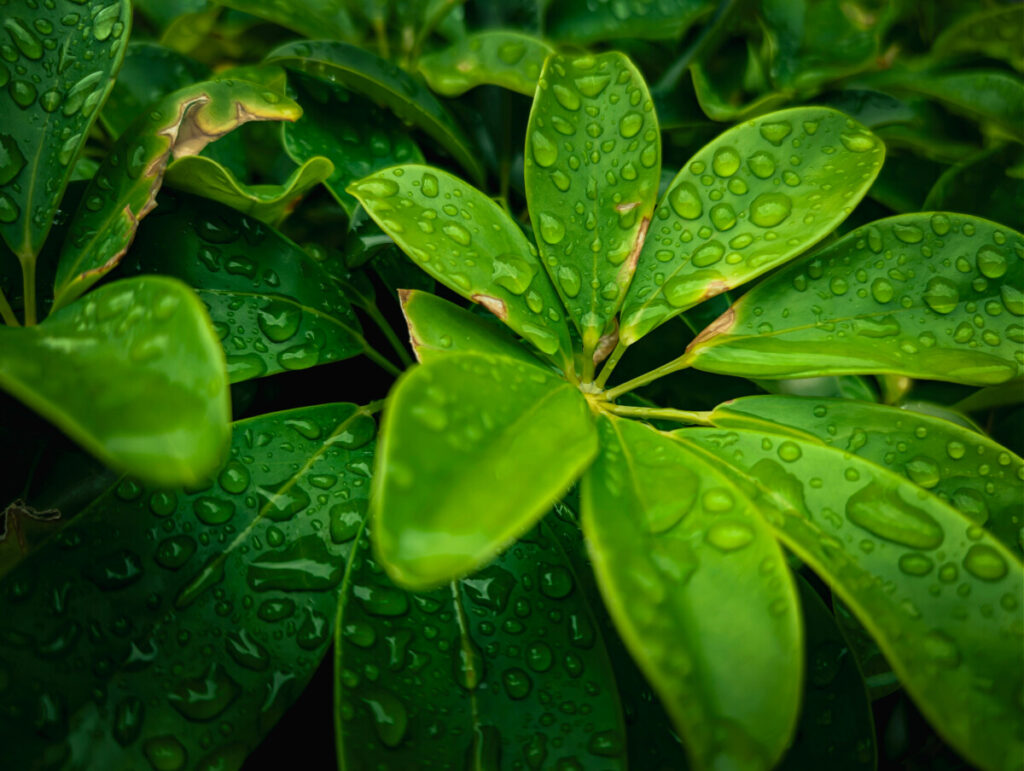
Before we dive into propagation techniques, let’s take a moment to appreciate the beauty of the umbrella plant. Native to Taiwan, the umbrella plant features glossy, palmately compound leaves that resemble miniature umbrellas, hence its name. It’s a versatile plant that thrives in a variety of indoor conditions, making it a perfect addition to any home or office space.Why Propagate?
Propagating umbrella plants allows you to expand your plant collection without breaking the bank. Instead of purchasing new plants, you can simply take cuttings from existing plants and grow them into new ones. Not only is propagation cost-effective, but it’s also a rewarding experience that allows you to witness the growth and development of your plants firsthand.Methods of Propagation
There are several methods of propagating umbrella plants, but two of the most common methods are stem cuttings and air layering.Stem Cuttings:
To propagate an umbrella plant from stem cuttings, follow these simple steps:- Select a healthy stem with several leaves.
- Utilize sharp scissors or pruning shears to create a precise cut just beneath a leaf node.
- Trim any leaves from the lower part of the cutting.
- Then, dip the cut end of the stem in rooting hormone to stimulate root growth.
- Place the cutting in a container filled with well-draining soil or water.
- Keep the soil or water consistently moist and provide indirect sunlight.
- Monitor the cutting for root development, which typically occurs within a few weeks.
Air Layering:
Air layering is another propagation method that involves encouraging roots to form on a portion of the plant while it’s still attached to the parent plant. This method is particularly useful for larger, more established umbrella plants. To propagate an umbrella plant via air layering, follow these steps:- Select a healthy, mature stem on the parent plant.
- Make a small incision in the stem, just below a leaf node.
- Insert a small amount of rooting hormone into the incision.
- Cover the incision with damp sphagnum moss and then wrap it securely with plastic wrap.
- Wait for roots to form within the moss, which typically takes several weeks.
- Once roots have formed, carefully remove the rooted portion of the stem and plant it in its own container filled with well-draining soil.
Care Tips for Propagated Umbrella Plants
Once your umbrella plant cuttings have rooted and established themselves, it’s important to provide them with the proper care to ensure continued growth and health.- Light and Water Requirements: Umbrella plants prefer bright, indirect light and should be watered when the top inch of soil feels dry to the touch. Be cautious not to overwater, as it may result in root rot.
- Temperature and Humidity: Maintain a temperature range between 65°F to 80°F (18°C to 27°C) and moderate to high humidity levels to promote healthy growth.
Conclusion
Propagating umbrella plants is a simple and rewarding way to add greenery to your indoor space. Whether you choose stem cuttings or air layering, providing the right care and conditions will help your propagated plants thrive and flourish. So why wait? Start propagating your own umbrella plants today and create your very own indoor jungle!umbrella plant propagation: 7-point practical checklist
umbrella plant propagation: Start with a healthy stem cutting taken below a node. Use a clean tool, a well-aerated rooting medium, bright indirect light, and consistent moisture without leaving the cutting waterlogged.
- Choose vigorous, pest-free parent growth.
- Clean and sharpen the cutting tool.
- Include healthy nodes on each stem cutting.
- Use an airy water or soil rooting setup.
- Provide warmth and bright indirect light.
- Keep moisture steady without waterlogging the cutting.
- Wait for established roots before potting up.
For a useful comparison, read our The Ideal Pot Size for Your Umbrella Plant: A Comprehensive Guide and the UGA Cooperative Extension indoor plant guide. Use these notes when reviewing umbrella plant propagation, and change one variable at a time so the result is easier to interpret.
Once the cutting is established, follow the umbrella plant fertilizer schedule conservatively. If a rooted cutting begins to sag or drop leaves, diagnose moisture and roots with our umbrella plant drooping guide.