Umbrella Plant Pot Size: How to Choose the Right Pot
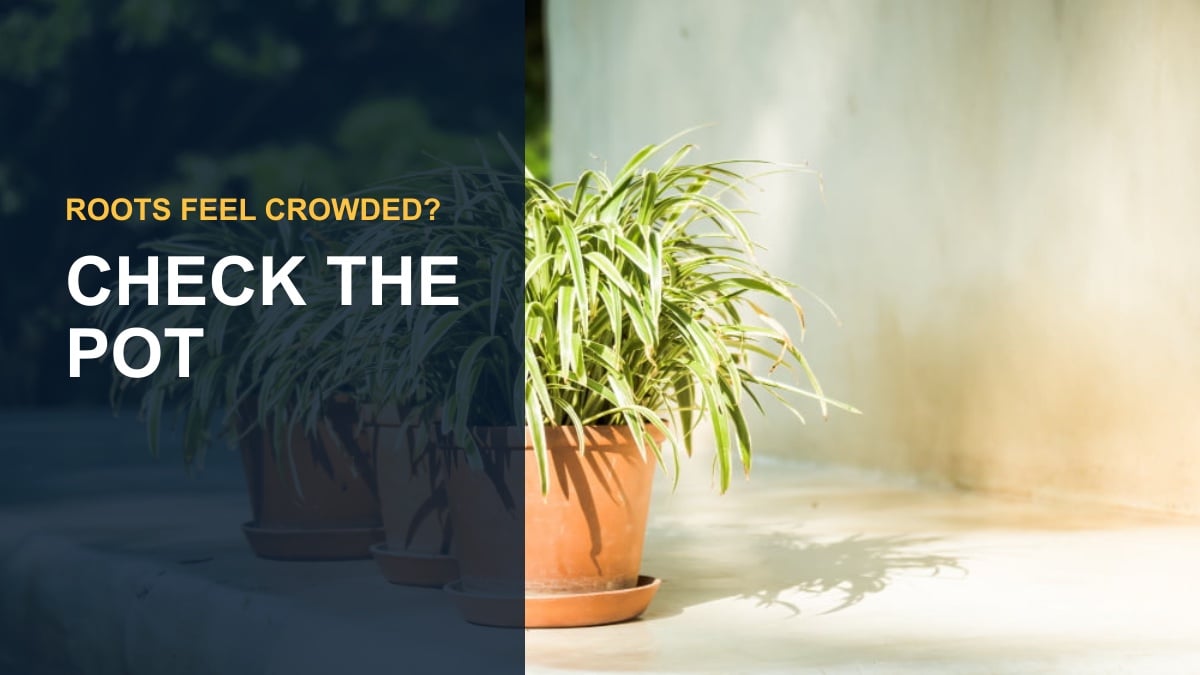
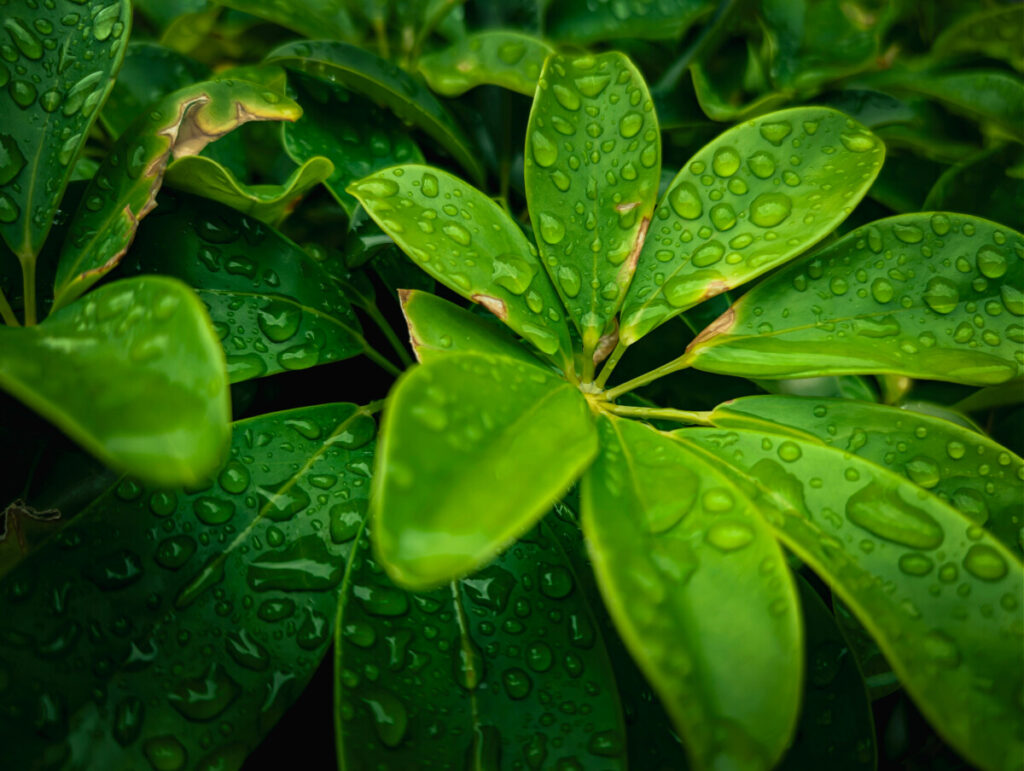
The best umbrella plant pot is only one container size larger than its current root ball and always has an open drainage hole. For many small and medium houseplants, that is roughly 1–2 inches wider than the present pot, but root-ball fit matters more than a generic diameter chart.
Moving a Schefflera into an oversized container creates a large volume of wet, unused potting mix. That soil dries slowly and makes root problems more likely. A pot that is too small, however, may dry too fast and become unstable.
How to Measure the Right Umbrella Plant Pot Size
1. Inspect the root ball
Slide the plant out gently when the mix is slightly dry. If roots have formed a dense circle around the outside, filled most of the available mix, or emerged repeatedly from the drainage hole, repotting may be justified. A few visible roots alone do not require a dramatic size increase.
2. Move up one pot size
Choose a container that leaves a modest ring of fresh mix around the root ball. The goal is enough new room for roots without surrounding them with inches of soil that stays wet after the plant has used its available water.
3. Match the pot to plant height and balance
A tall umbrella plant can become top-heavy. Select a pot with a stable base and enough weight to resist tipping, while still following the one-size-up root rule. Do not compensate for a narrow base by jumping to a huge pot.
Signs the Current Pot Is Too Small
- Water runs through almost immediately because roots occupy most of the container.
- The mix dries much faster than it did under similar light and temperature.
- Dense circling roots are visible when the root ball is removed.
- The plant tips easily even after it is positioned correctly.
- Growth has stalled despite appropriate light, watering, and seasonal conditions.
These clues should be considered together. Leaf drop or drooping by itself can also come from watering, light, temperature, pests, or root damage; use our umbrella plant drooping diagnosis before assuming the pot is the cause.
Signs the Pot Is Too Large
- The center and lower layers of mix stay wet for a long time.
- The pot smells sour or roots become dark and soft.
- Fungus gnats persist because the surface rarely dries.
- Leaves yellow or drop while the root zone is still wet.
A large pot is not automatically fatal, but it leaves less room for watering error. Improve light and airflow, verify the drainage hole, and wait for the mix to reach an appropriate dryness before watering again. If roots are deteriorating, remove damaged tissue and repot into a better-sized container with fresh, airy mix.
Drainage, Material, and Pot Shape
Drainage is non-negotiable
Decorative cachepots are useful only if the inner nursery pot can drain fully. Never let the inner pot sit in collected water. A layer of rocks at the bottom does not replace a drainage hole.
Terracotta vs plastic or glazed ceramic
Terracotta is porous and can help a mix dry more quickly, but it also needs more frequent monitoring. Plastic and glazed ceramic hold moisture longer and are lighter or easier to clean. Choose based on your indoor humidity, light, mix, and watering habits—not appearance alone.
Deep vs wide pots
Match the new pot to the existing root-ball proportions. An unusually deep pot under a shallow root system behaves like an oversized pot because the unused lower mix can remain wet.
When and How to Repot an Umbrella Plant
- Repot during active growth when possible, after confirming the plant actually needs more root space.
- Choose a clean pot one size larger with at least one unobstructed drainage hole.
- Use a fresh, well-draining indoor potting mix; do not bury the stem deeper than before.
- Loosen only tightly circling outer roots instead of tearing the entire root ball apart.
- Water evenly, let the pot drain completely, and return the plant to stable bright indirect light.
- Wait until the plant has settled before resuming a normal fertilizer routine.
If you want to make new plants while pruning a large specimen, read our umbrella plant propagation guide. For feeding after recovery, see the umbrella plant fertilizer guide. If you are still identifying the plant, compare its leaves and trunk in Money Tree vs Umbrella Tree.
Umbrella Plant Pot Size FAQs
Do umbrella plants like to be root bound?
They can tolerate a somewhat snug pot, but severe root congestion is not a goal. Repot when several root, drying, stability, and growth signs show the current container no longer works.
Can I put a small umbrella plant in a large pot?
It is safer to increase the pot gradually. A large mass of unused wet soil raises the risk of watering problems.
Should I repot right after buying the plant?
Not automatically. First allow the plant to adjust, inspect drainage and roots, and repot only when the container or mix creates a real problem.
Expert Reference
The one-size-larger approach and warning about excess wet soil align with the University of Minnesota Extension houseplant repotting guidance.