Umbrella Plant Fertilizer: Best Type & Feeding Schedule
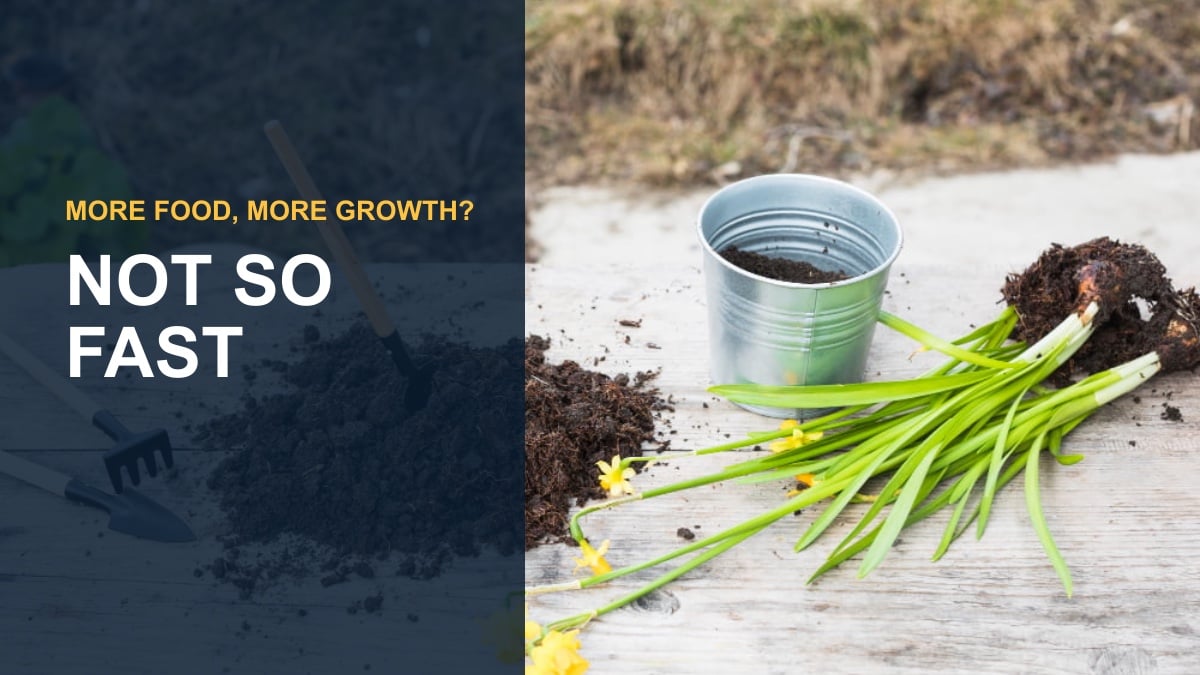
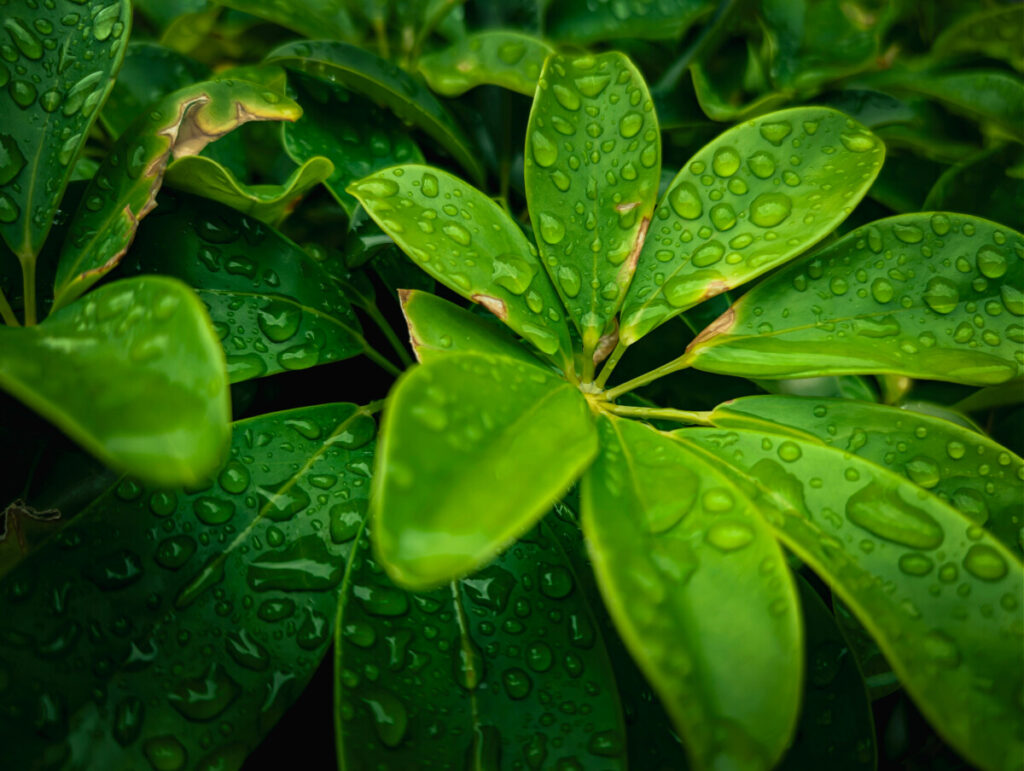
The best umbrella plant fertilizer is a balanced, complete houseplant product applied conservatively during active growth. A liquid formula at about half the label strength every 2–4 weeks can work in bright growing conditions; a labeled slow-release product is a lower-frequency alternative. Always let the product label, plant growth, light, and potting mix determine the final schedule.
Schefflera does not need constant feeding. Fertilizer supports growth only when light, roots, water, and temperature are already suitable. It cannot correct soggy soil or a dark placement.
Best Fertilizer for an Umbrella Plant
Balanced liquid houseplant fertilizer
A complete fertilizer with nitrogen, phosphorus, potassium, and micronutrients is the easiest adjustable option. “Balanced” may mean equal or similar N-P-K numbers; the exact number is less important than using an indoor-plant product at an appropriate dilution.
Slow-release fertilizer
Pellets or granules release nutrients over time and reduce mixing. They also make it easier to accidentally stack fertilizer if you forget the potting mix already contains plant food. Record the application date and never add liquid feed on top unless the product directions support it.
Organic fertilizer options
Fish emulsion, seaweed products, and other organic feeds can supply nutrients, but they are not automatically gentler or complete. Indoor odor, concentration, nutrient balance, and label directions still matter. “Natural” is not a reason to exceed the dose.
Umbrella Plant Feeding Schedule by Season
| Season / growth state | Practical approach |
|---|---|
| Spring | Resume only when new growth is visible and usable light has increased. Start conservatively. |
| Summer | Feed according to the product label while the plant is actively growing; monitor faster drying and heat stress separately. |
| Fall | Reduce frequency as daylight and growth slow. |
| Winter | Usually pause in ordinary indoor light. A plant growing actively under strong supplemental light may need a customized, lighter schedule. |
| Stressed or newly repotted plant | Do not feed merely because it looks weak. Correct roots, water, light, or acclimation first. |
How to Fertilize a Schefflera Safely
- Confirm that the plant is producing healthy active growth.
- Check whether the potting mix already contains fertilizer.
- Read the exact product label and measure—do not estimate a stronger dose.
- Apply liquid fertilizer to appropriately moist mix, not severely dry or waterlogged roots.
- Let excess solution drain and empty the saucer.
- Watch new growth and leaf tips before the next feeding.
Signs of Too Much Fertilizer
- White mineral crust on the soil surface or pot rim.
- Brown, dry leaf tips or margins after feeding.
- Sudden wilting or root damage despite moist soil.
- Weak, overly rapid growth that the available light cannot support.
What to do after overfertilizing
Stop feeding. If the pot drains well and the roots are not already waterlogged, flush the mix thoroughly with plain water and let it drain. For severe salt buildup or damaged mix, repot into fresh soil using the correctly sized container described in our umbrella plant pot-size guide. Do not repeatedly flush a plant whose roots are already rotting.
When Not to Fertilize
- The plant is wilting because the root zone is very dry or saturated.
- Roots smell sour or appear dark and soft.
- The plant has just been moved, repotted, or exposed to temperature shock.
- Growth is slow because winter light is low.
- Pests or disease are actively stressing the plant.
If leaves are sagging or falling, diagnose the cause with our umbrella plant drooping guide before reaching for fertilizer. If you are still choosing between similar indoor trees, compare their routines in Money Tree vs Umbrella Tree.
Umbrella Plant Fertilizer FAQs
What N-P-K ratio is best for an umbrella plant?
A balanced complete houseplant fertilizer is a reliable starting point. Product concentration and application frequency matter more than chasing one exact ratio.
Can I use coffee grounds?
Do not treat coffee grounds as a measured complete fertilizer. Indoors they can compact the surface, hold moisture, and encourage mold or gnats. Use a labeled houseplant product instead.
Does a yellow umbrella plant need fertilizer?
Not necessarily. Yellowing is commonly associated with moisture, roots, light, age, or stress. Feeding without a diagnosis can make a root problem worse.
Expert Reference
This schedule follows the active-growth, reduced-strength approach in the University of Minnesota Extension houseplant care guidance. Always follow the label on the fertilizer you actually use.