Lipstick Plant Outdoors: Summer Care and When to Bring It Inside
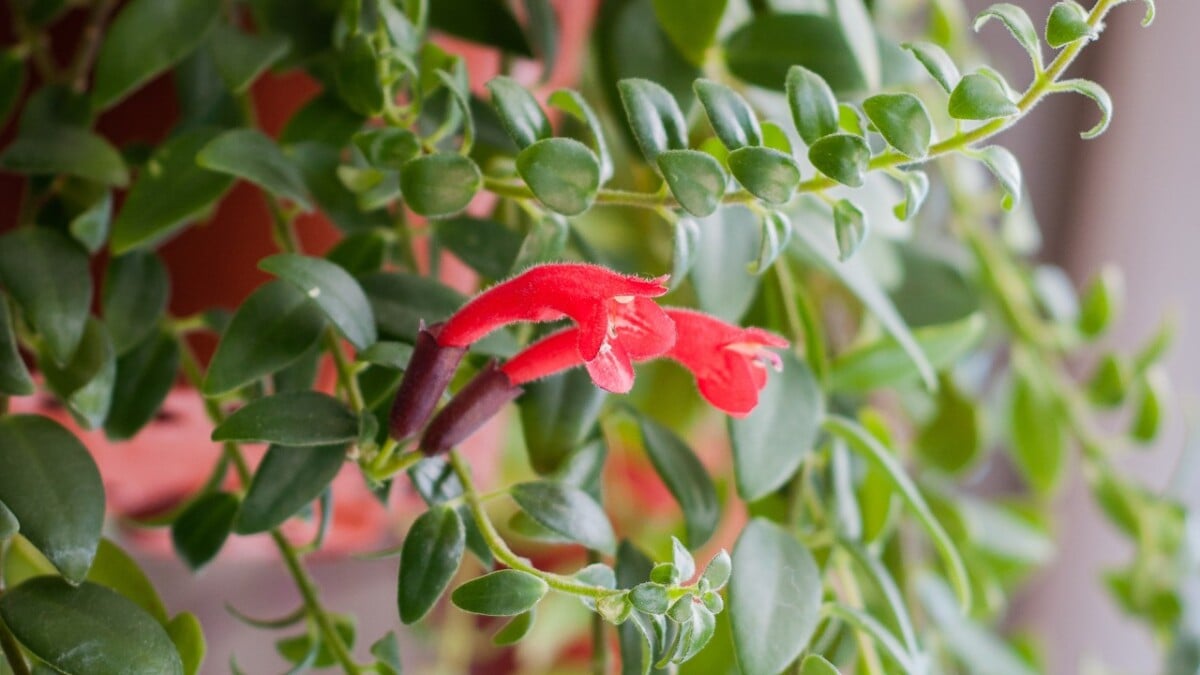
A lipstick plant can enjoy outdoor conditions during reliably warm weather, provided it has sheltered bright shade, good drainage and protection from cold. In Atlanta, treat it as a seasonal outdoor houseplant rather than a plant to leave outside through winter. The forecast, especially the overnight low, matters more than the month.
When Is It Warm Enough to Move Outside?
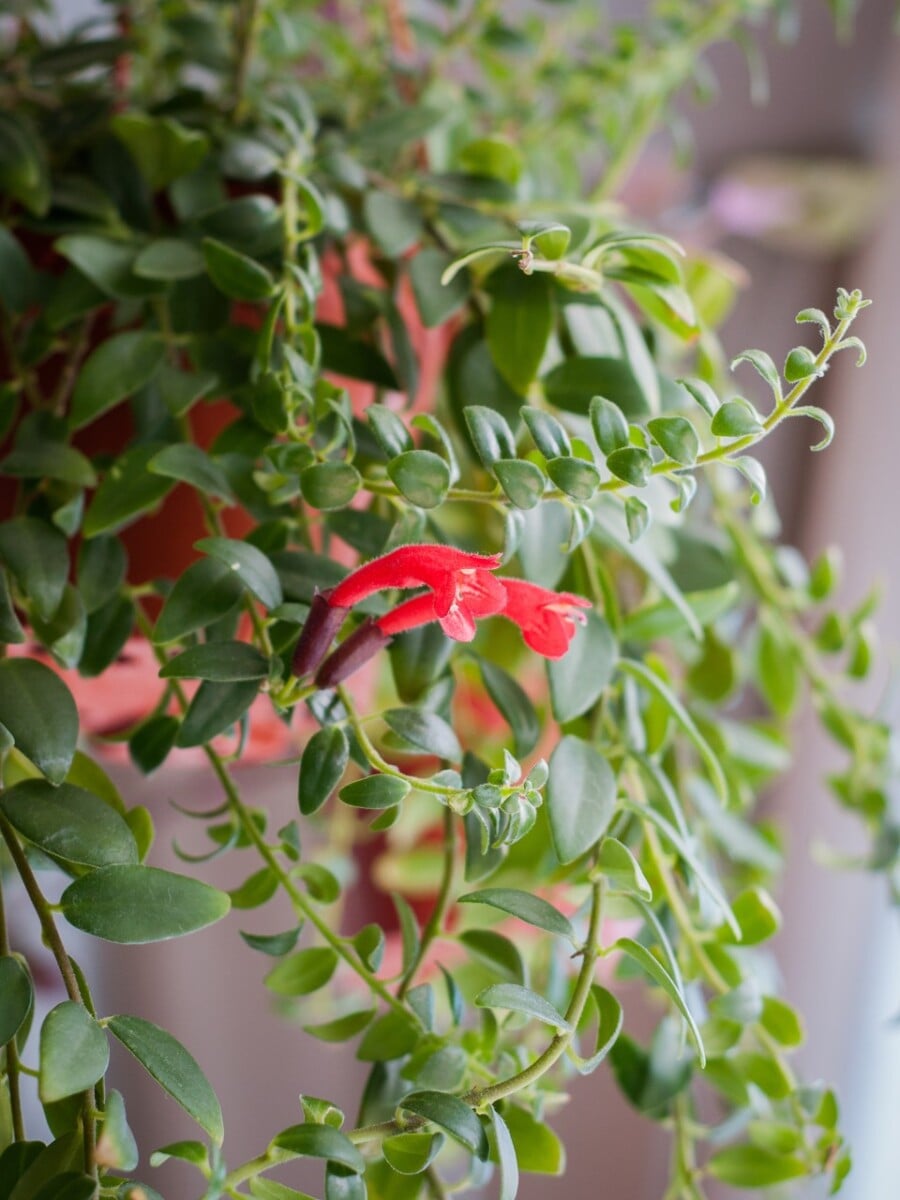
Lipstick plant (Aeschynanthus radicans) is a tropical plant. NC State Extension notes leaf drop below 50°F (10°C). For home care, use consistently mild nights above about 55°F (13°C) as a conservative move-out cue, leaving a margin for a cool patio or an unexpected forecast change.
This 55°F cue is a practical buffer, not a guaranteed biological boundary. Keep the plant indoors when cold fronts are forecast, even after a warm afternoon. A sheltered porch is still outdoors; it does not automatically protect a hanging pot from a cold night.
Choose Bright Shade and a Sheltered Position
Start under a covered patio or another spot with bright, filtered light. Avoid strong midday and afternoon sun, which can scorch foliage acclimated to indoor conditions. Gentle early light may suit an established plant, but introduce any direct sun gradually and watch the leaves.
- Choose a stable hook or stand that supports the watered container’s weight.
- Keep the plant out of strong wind, which can dry the mix and damage trailing stems.
- Avoid positions under roof runoff or where heavy rain repeatedly fills the pot.
- Leave room for air circulation instead of enclosing the foliage in a damp, crowded corner.
Acclimate It Gradually
Begin with short periods in protected shade and extend the time outdoors over several days. Watch for wilting, bleaching or browned patches. If the plant reacts poorly, reduce exposure and reassess the spot; increasing exposure faster will not make damaged leaves recover.
Keep the plant easy to move during this transition. Do not combine the outdoor move with a large repot, a heavy fertilizer application and a major prune. Making fewer changes helps you identify the cause if the plant begins to decline.
Watering Outside: Check the Pot, Not the Calendar
Warm air and wind can make a hanging basket dry faster than it did indoors. Rain can do the opposite. Feel the upper mix and lift the pot before watering. Water when the upper layer has begun to dry while avoiding both prolonged saturation and a repeatedly bone-dry root ball.
Water thoroughly enough to moisten the root zone, then let it drain. Empty runoff from an outer container or saucer. After rain, check deeper moisture rather than assuming the plant needs its usual drink. If a storm leaves the mix saturated, move it under cover and let it drain before deciding on the next watering.
Drainage holes must remain open. A decorative pot without drainage is risky outdoors, and a layer of stones inside it does not solve trapped rainwater. For a hanging plant, also check that foliage is not sitting against persistently wet surfaces.
Encourage Flowers Without Stressing the Plant
Provide good filtered light, consistent care and moderate feeding only during active growth, following the fertilizer label. Avoid treating every missing bloom with more fertilizer. Light, the plant’s maturity and seasonal growth all influence flowering.
If it grows healthy leaves but little bloom, review light and recent care changes with our lipstick plant flowering guide. Avoid repeatedly moving it between a dark room and harsh outdoor sun to chase flowers.
Bring It Indoors Before Cold Weather
- Check the overnight forecast regularly as late summer turns to fall. Move the plant inside before nights approach the conservative 55°F buffer, and well before frost.
- Inspect leaf undersides, stem junctions and the pot for insects or webbing. Identify any pest before treatment; follow the product label rather than assuming an “organic” spray is harmless.
- Remove fallen debris and keep the returning plant apart from other houseplants while you monitor it for pests.
- Place it in bright, indirect indoor light. Recheck watering because cooler conditions and less light may slow drying.
Frost cloth is not a dependable winter plan for this tropical houseplant in Atlanta. Bring a container indoors rather than gambling on an outdoor cover. If a cold spell catches it outside, move it to a protected indoor position and assess damaged tissue once the immediate stress has passed.
A Practical Atlanta Routine
In spring, wait for stable mild nights. In summer, use sheltered bright shade and check the pot more often during hot or windy weather. In fall, keep a movable basket and follow the forecast. In winter, grow it indoors. Exact dates vary each year, so do not turn these seasonal checks into a fixed calendar promise.
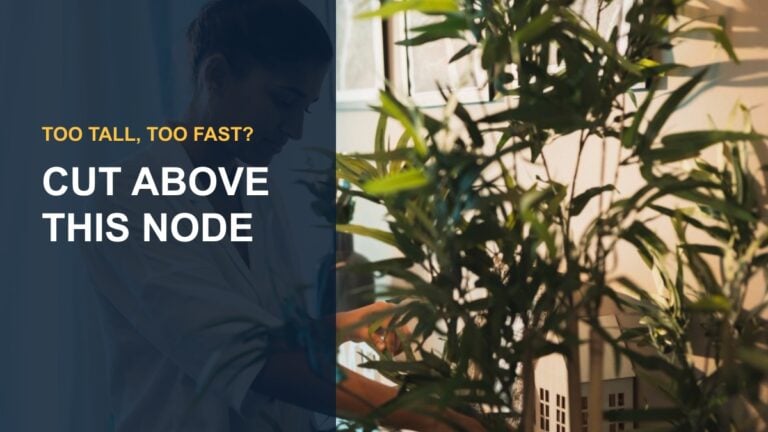
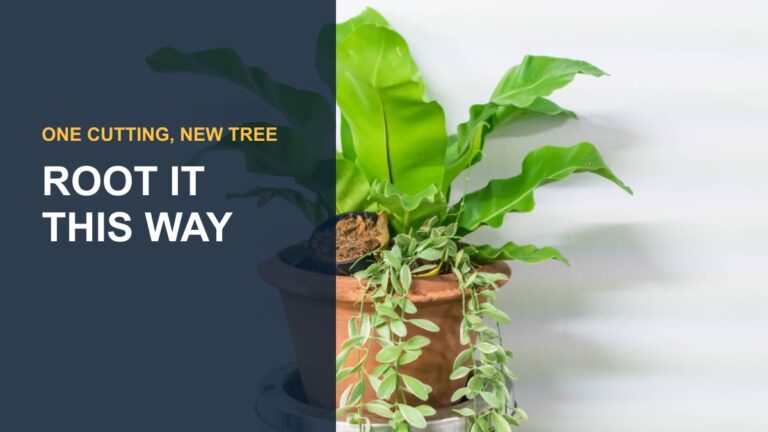
Healthy pruning can also provide stem cuttings. Use nodes rather than assuming a detached leaf will grow a new plant; see our lipstick plant propagation guide. For light, warmth and cold sensitivity, consult NC State Extension’s lipstick plant profile.
Frequently Asked Questions
Can a lipstick plant stay outside year-round in Atlanta?
It should be treated as a seasonal outdoor houseplant in Atlanta and brought indoors before cold nights. It is not a dependable outdoor winter plant there.
What temperature is too cold for a lipstick plant?
NC State Extension notes leaf drop below 50°F. A practical home-care buffer is to bring it inside before overnight temperatures approach 55°F, allowing for local conditions and forecast errors.
Can it take full sun?
Start in sheltered bright shade. Strong midday or afternoon sun can scorch indoor-grown foliage, so introduce any gentler direct light gradually.
Should I water after rain?
Check the pot first. If the root zone is still wet, wait and ensure it drains freely. Rain does not create a need for an additional scheduled watering.