Lipstick Plant Propagation: Water, Soil & Stem Cuttings
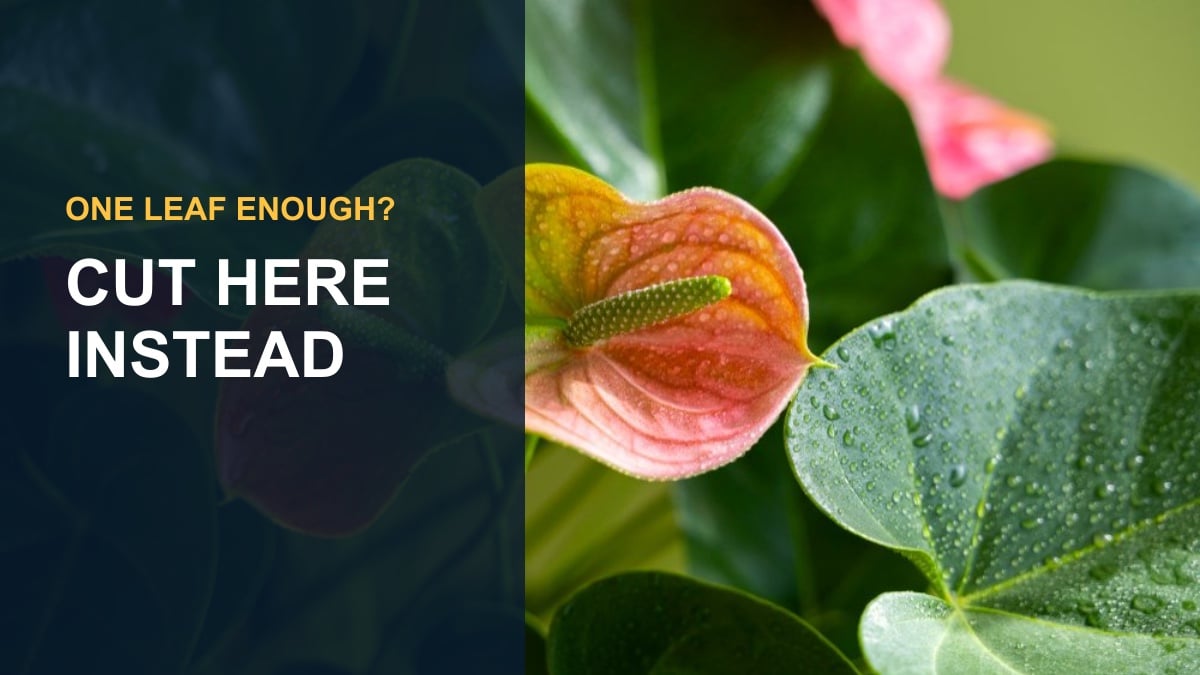
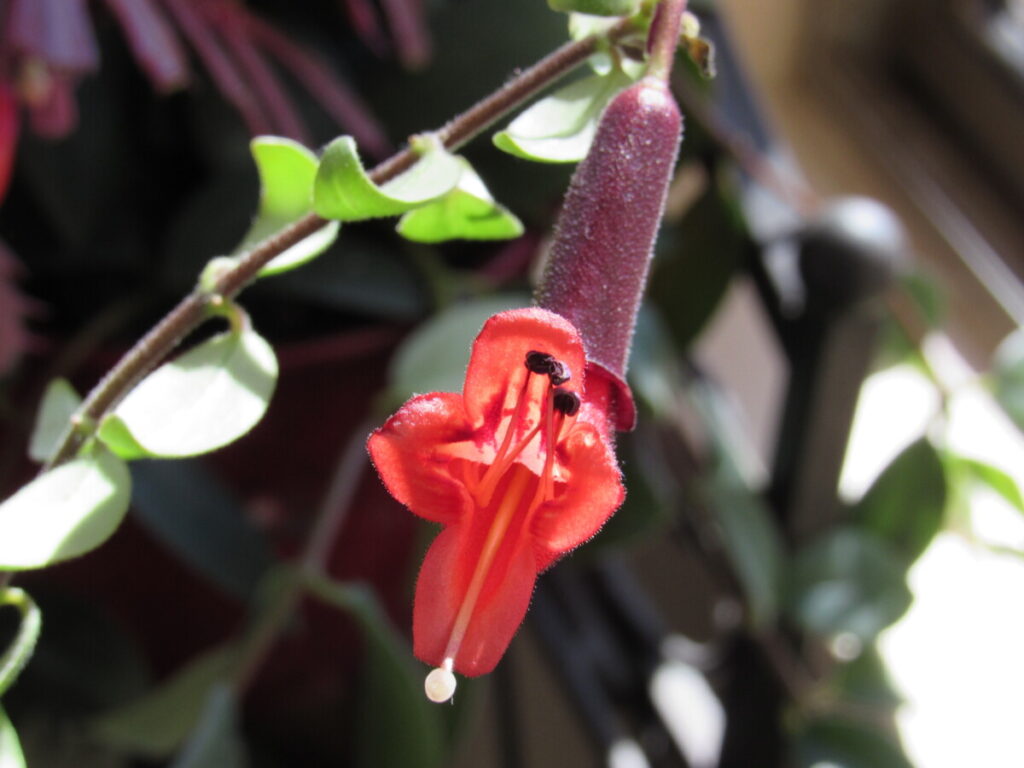
Stem cuttings are the most reliable way to propagate a lipstick plant (Aeschynanthus radicans). Choose a healthy non-flowering stem with about three nodes, remove the lower leaves, and root the nodes in an airy soil mix or clean water. A detached leaf without a node may stay alive or form roots, but it is much less dependable for producing a complete new vine.
Choose the Right Lipstick Plant Cutting
Find a healthy stem with nodes
A node is the point where leaves attach to the stem. Roots and new shoots develop from this active tissue, so include multiple nodes instead of taking only a leaf. Avoid stems with pests, rot, yellowing, or a flower bud that would compete with rooting.
Make a clean cut
Sanitize sharp snips, cut just below a node, and keep the upper two to four leaves. Remove foliage that would sit below water or potting mix. Rooting hormone is optional, not a substitute for a viable node and healthy conditions.
How to Propagate Lipstick Plant Cuttings in Water
- Place one or two bare nodes in a clean, narrow container of room-temperature water.
- Keep all remaining leaves above the waterline to reduce rot.
- Put the cutting in bright indirect light with stable warmth, away from harsh direct sun.
- Replace cloudy water and rinse the container; top up clean water as it evaporates.
- Pot the cutting when it has several well-developed roots rather than one tiny root.
- Keep the fresh potting mix lightly and evenly moist during the transition, then move toward normal care.
Advantages and limits of water propagation
Water makes root development easy to watch and is convenient for beginners. The drawback is that water-grown roots must adjust to an airier soil environment later, so do not delay the move indefinitely or damage the roots during potting.
How to Propagate Lipstick Plant Cuttings in Soil
- Fill a small draining pot with an airy, lightly moistened propagation mix.
- Insert the lower nodes so the cutting stands securely; keep leaves above the surface.
- Gently firm the mix without crushing its air spaces.
- Provide bright indirect light, warmth, and moderate humidity with airflow.
- Keep the mix lightly moist but never saturated.
- Test for roots with a very gentle tug only after new growth or time suggests rooting; repeated pulling damages new roots.
NC State Extension recommends a three-node soft stem cutting and an airy vermiculite/perlite medium. Its profile notes roots can begin in about two weeks under suitable controlled conditions, but home timing varies with warmth, light, cultivar, and cutting health.
Water vs Soil Propagation
| Method | Best feature | Main risk | Best for |
|---|---|---|---|
| Water | Visible roots and simple monitoring | Stem rot or transition stress after potting | Growers who want to observe root progress |
| Soil | Roots form in the medium where they will continue growing | Moisture is harder to judge | Growers comfortable maintaining lightly moist, airy mix |
Can You Propagate a Lipstick Plant From a Leaf?
A leaf cutting is not the recommended method. Some leaves can form callus or roots, but a leaf without enough stem and node tissue may never create a new growing point. That produces a “zombie leaf”: alive, sometimes rooted, but unable to develop into a full trailing plant.
If you want to experiment, use a leaf with a small piece of stem and a confirmed node, label it as a test, and take node-bearing stem cuttings at the same time. For cultivar-specific tips, see our Black Pagoda lipstick plant propagation guide.
Rooting Signs and Common Failures
Signs a cutting is rooting
- New roots are visible in water or at the drainage edge.
- The stem remains firm and leaves stay reasonably hydrated.
- New buds or leaves begin to extend.
- A soil-rooted cutting offers gentle resistance without force.
Why cuttings rot
Rot usually begins with damaged or unhealthy tissue, dirty tools, leaves submerged in water, saturated low-air soil, low warmth, or stagnant humidity. Remove soft black tissue with clean snips and restart above the damage if a healthy node remains.
Why cuttings wilt
A fresh cutting has limited roots and loses water through its leaves. Reduce excess leaf area, keep stable warmth and moderate humidity, and avoid strong sun. Do not respond by flooding the medium.
Aftercare for a New Lipstick Plant
Once roots are established, move the young plant gradually into normal bright indirect light. Water according to the mix rather than a calendar, and wait for active growth before feeding lightly. Several cuttings can be planted around one pot for a fuller basket.
As the plant matures, use our guides on when to repot a lipstick plant, moving a lipstick plant outdoors safely, and troubleshooting a lipstick plant that will not bloom.
Lipstick Plant Propagation FAQs
How long do lipstick plant cuttings take to root?
Under ideal controlled conditions, rooting may begin in a few weeks. Home cuttings can take longer, so judge firm tissue, root development, and new growth instead of a deadline.
Should lipstick plant cuttings be covered?
A loose humidity cover can slow moisture loss, but it must not touch the leaves or trap stagnant condensation. Open it regularly for airflow and remove it gradually as the cutting roots.
Expert Reference
Method and plant-care details were checked against the NC State Extension lipstick plant profile.