Why Doesn’t My Lipstick Plant Bloom?
lipstick plant not blooming is the main question this guide answers. Start with the practical summary below, then use the seven-point lipstick plant not blooming checklist to compare your plant or situation with the detailed guidance that follows.
Why are Lipstick Plants Popular?
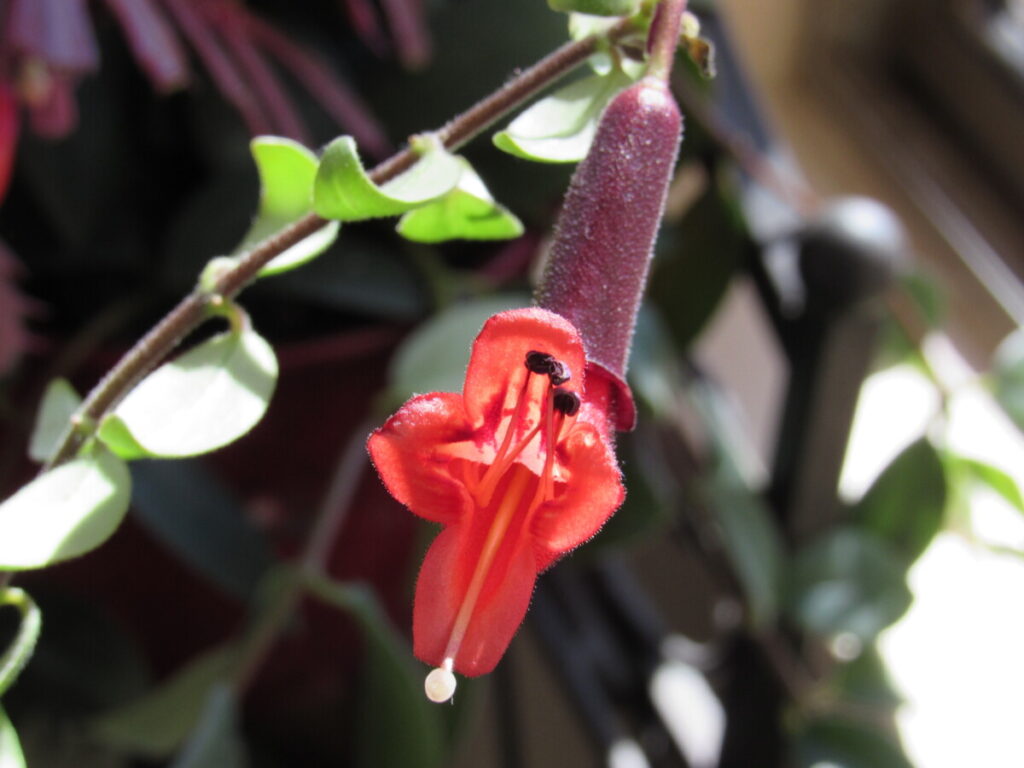
Lipstick plants are favored for their attractive foliage and striking blooms, which add a touch of color and elegance to any indoor space. They are relatively low-maintenance plants, making them suitable for both novice and experienced gardeners alike.Factors Affecting Lipstick Plant Blooming
Light Exposure
Proper light exposure is crucial for the blooming of lipstick plants. Insufficient light can inhibit blooming, while excessive light can lead to leaf scorching. Finding the right balance is key to encouraging flowering.Importance of Proper Light
Lipstick plants thrive in bright, indirect light. It’s best to position them close to a window where they can get filtered sunlight. Direct sunlight should be avoided, as it can cause the leaves to become scorched and hinder blooming.Finding the Right Balance
If your lipstick plant is not blooming, assess its current light conditions. Consider relocating it to a spot with better light exposure, ensuring it receives sufficient brightness without being exposed to direct sunlight for extended periods.Temperature and Humidity
Temperature and humidity levels play a significant role in the blooming of lipstick plants. Inconsistent temperatures and low humidity can hinder flowering, while optimal conditions can promote healthy growth and blooming.Ideal Temperature and Humidity Levels
Lipstick plants prefer temperatures between 60°F to 80°F (15°C to 27°C) and moderate to high humidity. Providing a consistent temperature range and increasing humidity levels can create a conducive environment for blooming.Tips for Maintaining Proper Conditions
To maintain optimal temperature and humidity levels, avoid placing lipstick plants near drafts or heating vents. You can also increase humidity by misting the plant regularly or placing a humidity tray nearby.Watering and Soil
Proper watering and soil conditions are essential for the overall health and blooming of lipstick plants. Inadequate watering or poorly drained soil can lead to stress and inhibit flowering.Watering Needs of Lipstick Plants
Lipstick plants prefer evenly moist soil, but they are susceptible to root rot if overwatered. Water when the top inch of soil feels dry, ensuring thorough but not excessive watering.Choosing the Right Soil Mix
Use a well-draining potting mix rich in organic matter for lipstick plants. Avoid compacted or heavy soils, as they can retain too much moisture and lead to root rot. You might want to think about incorporating perlite or sand into the soil mix to enhance drainage.Nutritional Needs
Proper nutrition is essential for the blooming of lipstick plants. Inadequate fertilization can result in poor growth and minimal flowering.Importance of Fertilization
Fertilizing lipstick plants during the growing season is crucial for promoting healthy growth and blooming. Choose a balanced, water-soluble fertilizer specifically formulated for flowering houseplants.Understanding Fertilizer Requirements
Apply fertilizer every 4 to 6 weeks during the growing season, following the manufacturer’s instructions for dilution and application. Avoid over-fertilization, as it can lead to salt buildup and hinder blooming.Frequency and Timing of Fertilization
Start fertilizing in early spring when new growth emerges, and continue until late summer or early fall. Reduce fertilization frequency during the dormant winter months to avoid stimulating excessive growth.Pruning and Maintenance
Regular pruning and maintenance are essential for keeping lipstick plants healthy and encouraging blooming.Benefits of Pruning
Pruning helps remove dead or diseased parts, improving air circulation and reducing the risk of pest infestations.It also stimulates the emergence of new growth and promotes flowering.Pest Control
Common pests such as aphids, mealybugs, and spider mites can affect the blooming of lipstick plants. Regular monitoring and prompt action are essential for controlling pests and preventing damage to the plant.Organic Pest Control Methods
Natural remedies such as neem oil, insecticidal soap, or a mixture of water and dish soap can help control pests without harming the plant. Regularly inspect the plant for signs of pest infestations and treat as needed.Conclusion
In conclusion, several factors can affect the blooming of lipstick plants, including light exposure, temperature and humidity, watering and soil conditions, nutritional needs, pruning, and pest control. By understanding these factors and making necessary adjustments, you can encourage your lipstick plant to bloom beautifully and thrive indoors.lipstick plant not blooming: 7-point practical checklist
lipstick plant not blooming: Review light first, then temperature, feeding, watering, pruning timing, and plant maturity. Correct the most likely limitation and allow time for new growth instead of changing every care factor at once.
- Document which leaves or stems changed first.
- Check moisture below the soil surface.
- Confirm the pot drains freely.
- Review light and recent temperature changes.
- Inspect leaves, stems, and roots for damage.
- Change one care factor at a time.
- Record the response before making another adjustment.
For a useful comparison, read our Can a Lipstick Plant Live Outside? and the NC State Extension lipstick plant reference. Use these notes when reviewing lipstick plant not blooming, and change one variable at a time so the result is easier to interpret.
Crowded or damaged roots can affect recovery and growth, so review when to repot a lipstick plant before assuming the plant needs more fertilizer.