How Often Should You Clean a Dryer Vent?
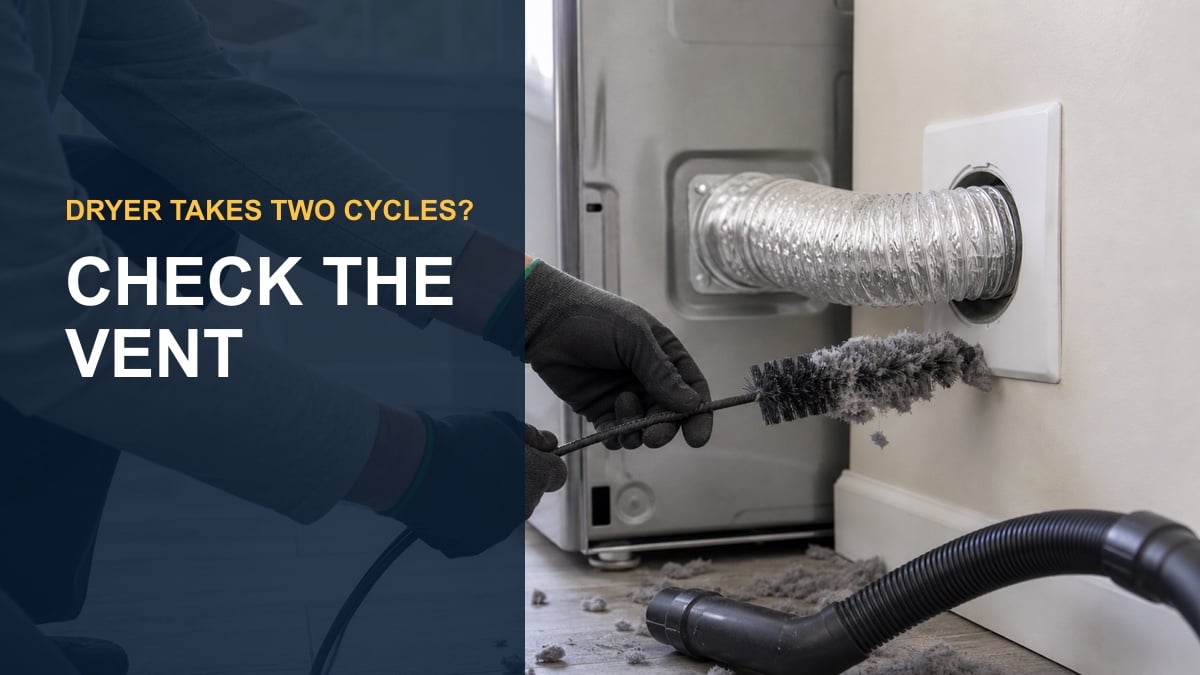
A dryer that needs two cycles is not merely inconvenient. Lint can collect beyond the screen, restricting airflow through the transition duct and the vent to the outdoors.
Clean the lint screen after every load, inspect the outdoor exhaust regularly, and have the full dryer vent duct cleaned at least annually—or sooner when airflow drops.
Long drying time, excess heat, and weak outdoor airflow are warnings to stop and inspect, not reasons to add another cycle.
The Dryer-Vent Schedule That Matters
| Part | Routine | Trigger for earlier action |
|---|---|---|
| Lint screen | Every load | Visible lint or fabric-softener residue |
| Area behind and under dryer | Every few months | Loose lint or dust buildup |
| Transition duct | Inspect at least yearly | Crushing, kinks, tears, heat, or long dry times |
| Full vent to outdoors | Clean yearly | Weak airflow, blocked flap, burning smell, repeated shutdowns |
The U.S. Fire Administration advises cleaning the lint filter every time the dryer is used and cleaning vent ductwork every year. A large household, pet bedding, a long duct run, or many bends can require more frequent service.
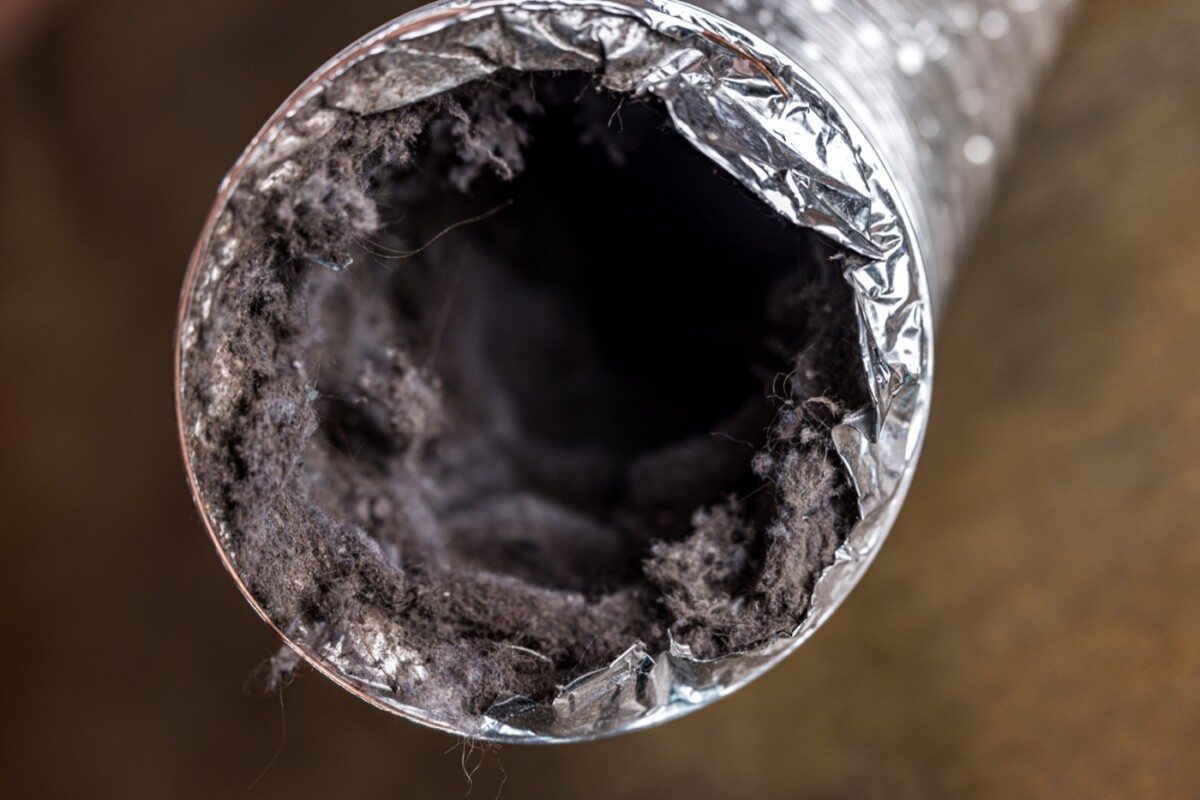
Signs the Vent May Be Restricted
- Loads take longer than normal to dry.
- The dryer cabinet or laundry room feels unusually hot.
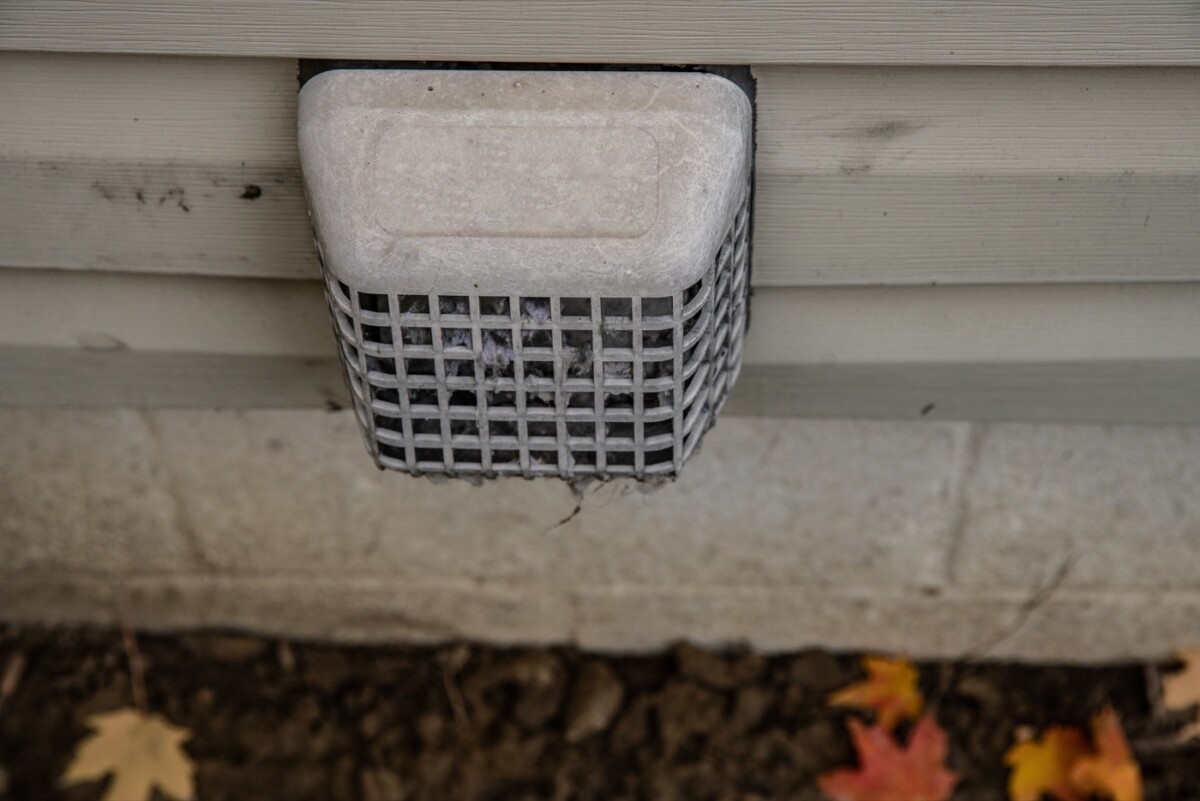
- The outdoor flap barely opens while the dryer runs.
- Lint collects behind the machine or around the outside hood.
- The machine stops mid-cycle or displays an airflow warning.
- You notice a hot or burning odor.
If you smell burning, see scorching, or the dryer becomes abnormally hot, stop using it, disconnect power if it is safe to do so, and call a qualified technician. Gas dryers also require care around the gas connection; do not move one beyond what the manual allows.
A Safe Homeowner Inspection
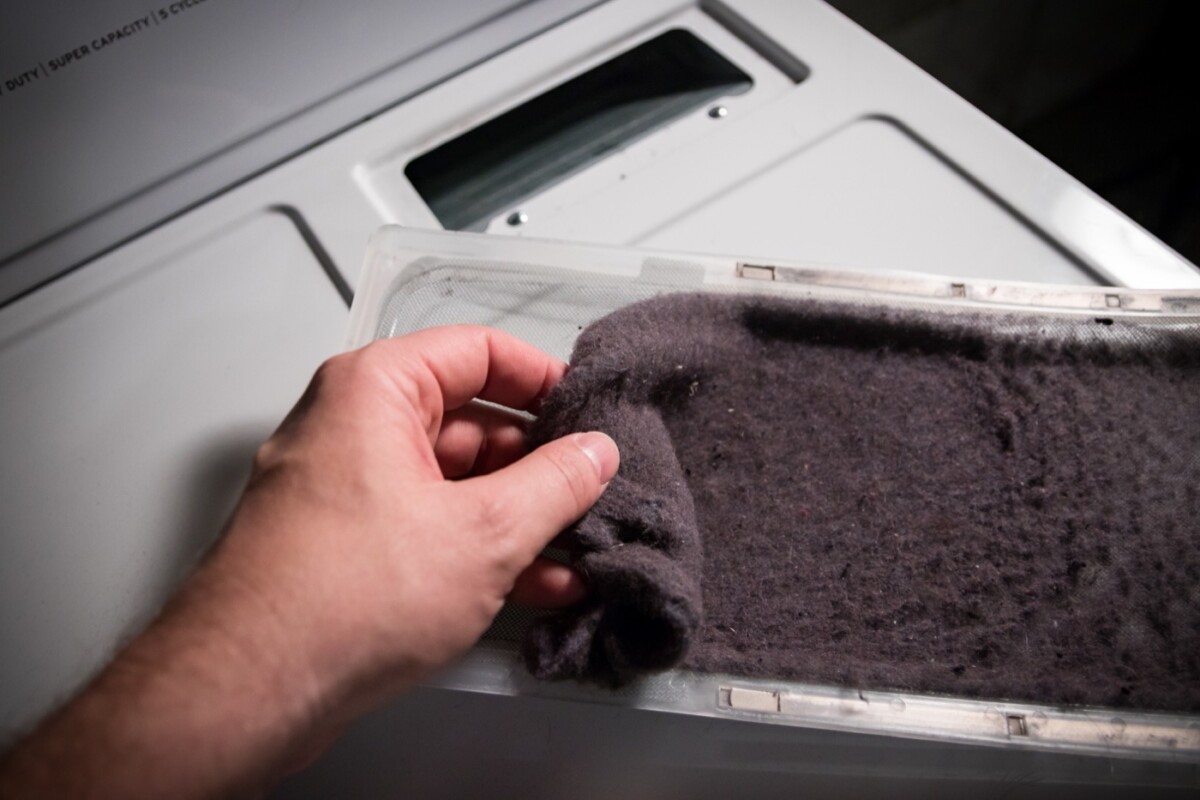
- Clean the lint screen and check it for tears.
- With the dryer running on air-only, look outside for a fully opening exhaust flap and steady airflow.
- Turn the dryer off and disconnect power before moving it or touching the duct.
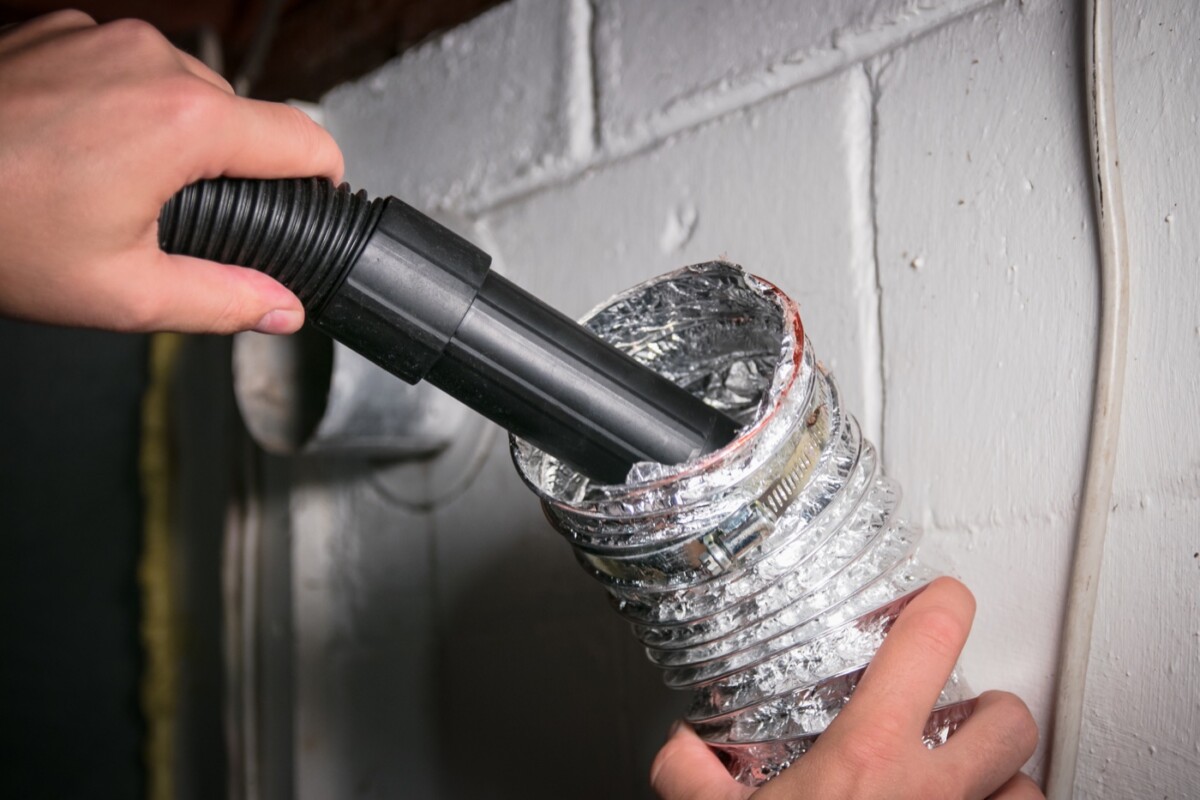
- Check the accessible transition duct for crushing, kinks, loose clamps, and lint.
- Vacuum the floor and accessible connection. Reconnect without crushing the duct.
- Use a professional when the duct is long, hidden, roof-vented, inaccessible, or still restricted after the visible section is clean.
What Not to Do
Do not push a short brush blindly through a long duct and assume the lint reached the outdoors. Do not use screws that project into the airflow path, and do not leave a crushed transition duct behind the machine. Never bypass a warning code or operate a dryer with a damaged power cord.
When Professional Cleaning Makes Sense
Call for service if the run exits through the roof, travels through several floors, cannot be disconnected safely, or has a persistent airflow problem. A technician should also check a dryer that overheats even after the vent is confirmed clear.
While the laundry area is open, use our washing-machine cleaning schedule and front-load gasket guide to finish the room.
Frequently asked questions
How often should a dryer vent be cleaned with pets?
Annual cleaning is the minimum safety baseline. Heavy laundry volume and pet bedding may justify inspection and cleaning sooner whenever drying time or airflow changes.
Can I clean a roof dryer vent myself?
Roof access and long hidden runs add fall and duct-damage risks. A qualified vent professional is the safer choice.
Does cleaning the lint screen replace vent cleaning?
No. The screen catches much of the lint, but fine lint can still collect in the housing, transition duct, and permanent vent.
Sources and model guidance
Guidance checked in August 2026. Your appliance manual and product label take priority because removal steps, washable parts, and service intervals vary by model.