How Often Should You Clean Your Washing Machine?
Your washing machine cleans load after load—but when was the last time you cleaned the machine itself?
If the answer is “I can’t remember,” soap scum, lint, body oils, and trapped moisture may already be collecting where you cannot see them.
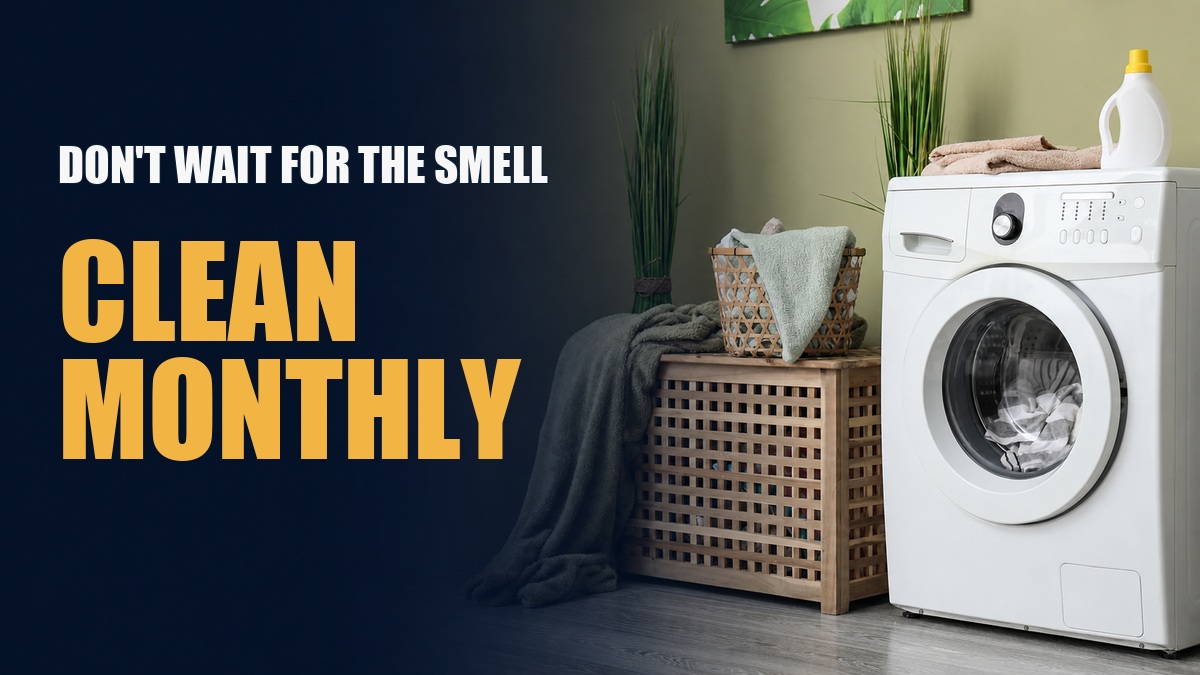
How often should you clean your washing machine? Plan on a monthly cleaning cycle unless your model specifies a different load count.
Whirlpool recommends every 30 days or 30 cycles.
Samsung says at least monthly and lists reminders around 20 washes for many top-loaders and 40 washes for many front-loaders.
LG also recommends a monthly Tub Clean routine.
The model manual wins when schedules differ.
Clean sooner if the washer smells musty, laundry no longer smells fresh, or detergent residue is visible.
Move the cleaning forward, too, when the machine regularly handles pet bedding, heavily soiled work clothes, reusable cleaning cloths, or frequent cold-water loads.
Your Washing Machine Cleaning Schedule at a Glance
| Task | Practical frequency |
|---|---|
| Wipe door, glass, and gasket moisture | After the final load of the day |
| Remove hair and debris from the gasket | After loads as needed |
| Run Tub Clean / Self Clean / Clean Washer | Monthly or at the manual’s cycle count |
| Wash detergent dispenser | Monthly; sooner if residue appears |
| Clean drain-pump filter | According to the manual and whenever drainage slows |
| Inspect inlet screens and hoses | According to the manual; investigate slow filling or leaks promptly |
The cleanest-looking washer can still hold residue where you cannot see it. A monthly reset beats waiting for the smell.
The Monthly Reset: Why Waiting for Odor Is Too Late
A washer moves soil out of clothing, but some detergent, fabric softener, lint, body oils, and moisture remain in the machine.
Front-loaders are especially prone to retaining water in gasket folds, dispensers, and drain systems.
A cleaning cycle uses a specific water level, motion, temperature, or cycle length to reach areas a normal clothes load may not rinse effectively.
Manufacturer schedules converge around monthly maintenance because it interrupts residue buildup without turning every laundry day into an appliance project.
The routine also creates a chance to inspect the seal, dispenser, and filter before a small obstruction becomes an odor or leak.
Whirlpool, Samsung, LG, and GE: What the Brands Actually Say
| Brand | Published guidance | Takeaway |
|---|---|---|
| Whirlpool | Every 30 days or 30 wash cycles | Use the Clean Washer cycle and follow the use-and-care guide |
| Samsung | At least monthly; many reminders appear after 20 top-load or 40 front-load washes | Run Self Clean or Self Clean+ promptly after the reminder |
| LG | Monthly Tub Clean; some support pages recommend 1–2 times monthly | Clean the gasket, dispenser, and drain-pump filter during the monthly routine |
| GE Appliances | Monthly basket cleaning on supported models | Use the model’s Basket Clean instructions |
These schedules are not interchangeable recipes.
A product that is permitted in one washer may damage another.
Find the exact model number and use the cleaner type, compartment, and cycle described in its manual.
The Safe Monthly Reset: How to Clean a Washing Machine
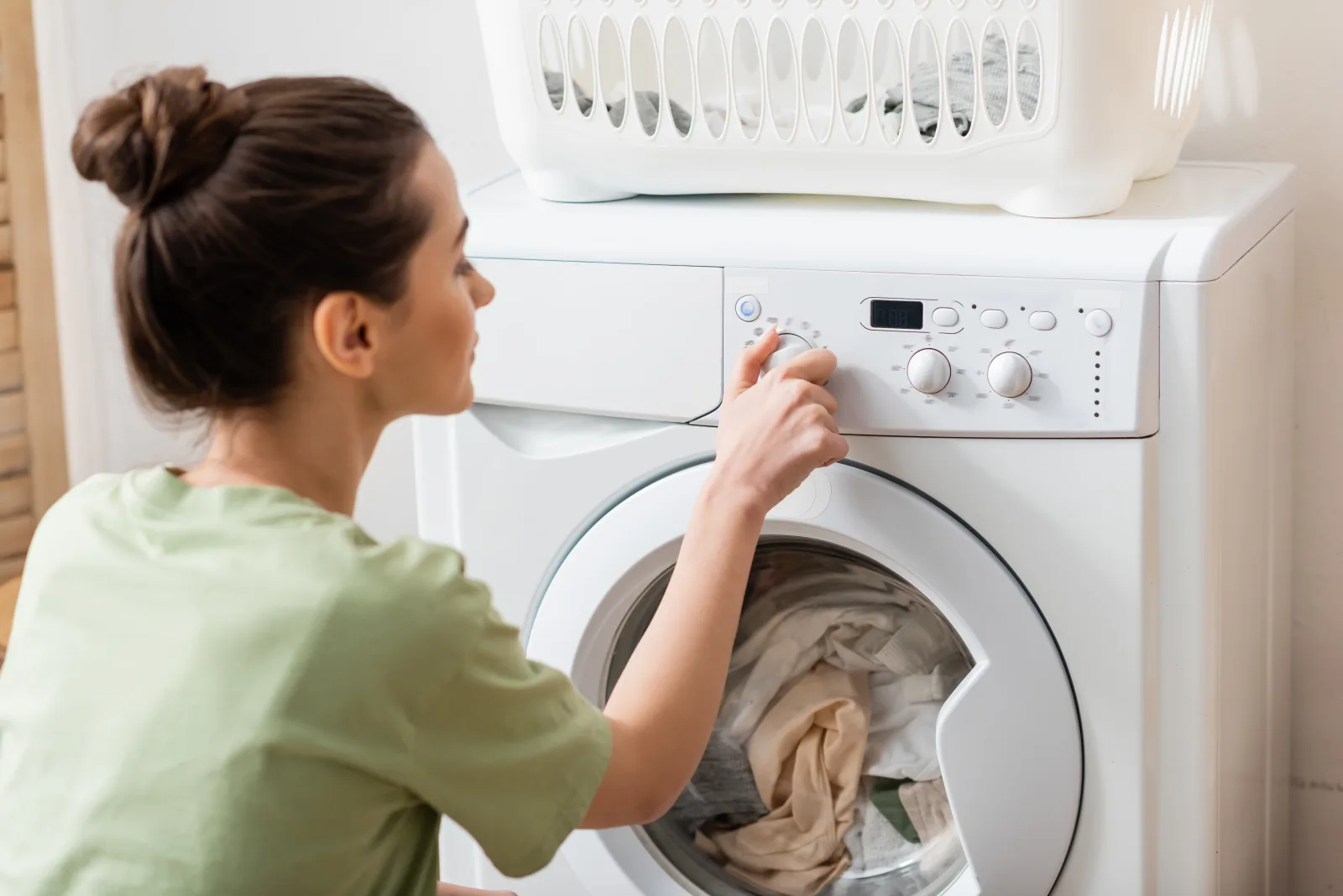
- Empty the drum. A maintenance cycle is not a sanitizing cycle for clothing.
- Read the manual. Confirm the named cycle and whether it calls for an approved tablet, powder, liquid cleaner, or bleach.
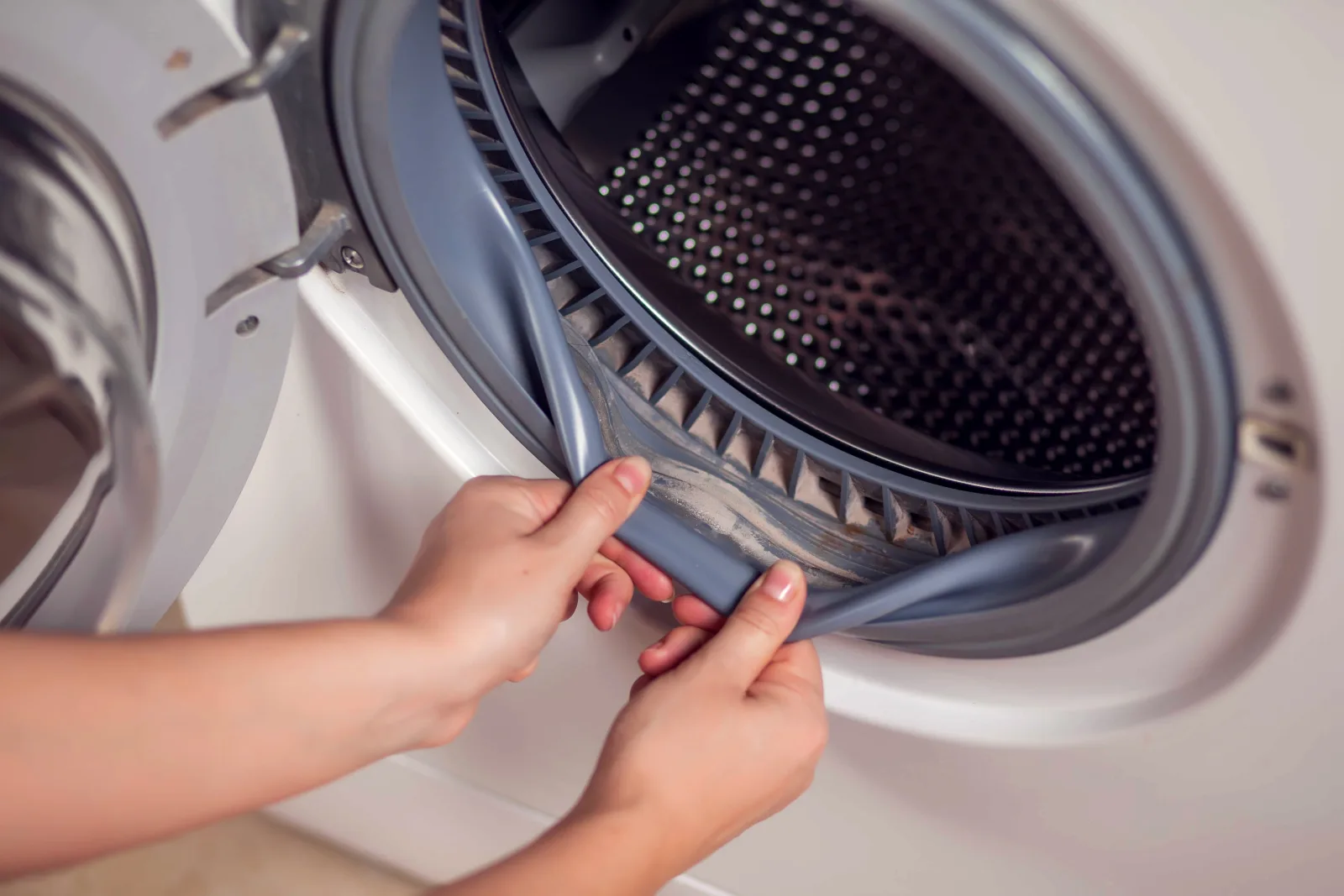
- Inspect the gasket or lid rim. Remove coins, hair, lint, and small objects without using a sharp tool.
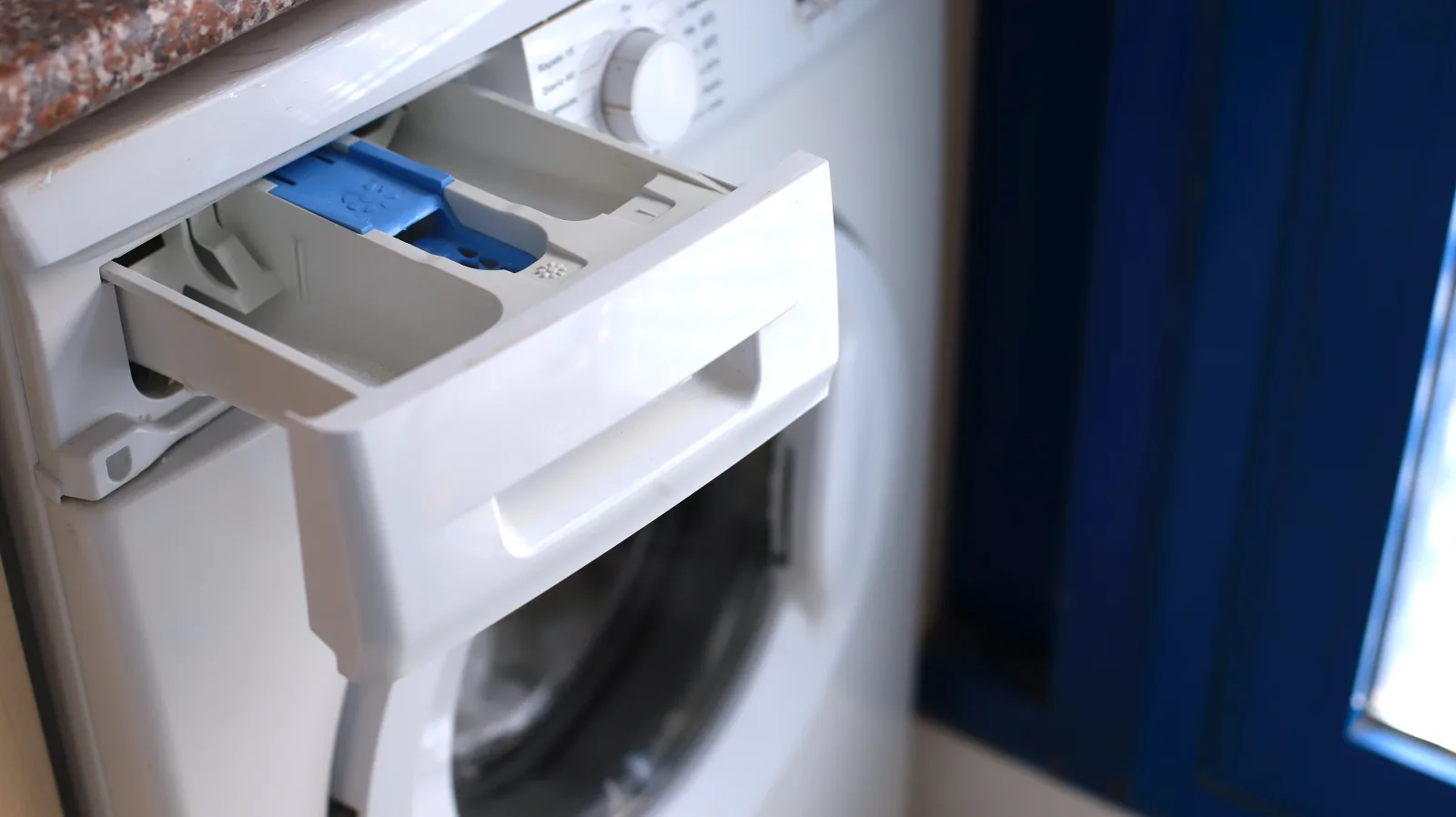
- Clean the dispenser. Remove it only if the manual says it is removable, rinse away residue, and clean the dispenser cavity carefully.
- Add one approved cleaner in the correct location. Never combine cleaners.
- Run the dedicated cycle. Let it finish without interrupting the drain or spin stages.
- Wipe and ventilate. Dry the door glass and gasket, then leave the door and dispenser ajar when it is safe to do so.
Editor’s Pick: A One-Tablet Monthly Reset
Want to make the monthly reset easier?
If the washer manual permits a tablet cleaner, place one Affresh Washing Machine Cleaner tablet in the empty drum—not the dispenser.
Then run the model’s designated cleaning cycle.
Affresh says its time-release tablet is designed for front-load, top-load, and HE washers and recommends monthly use.
The washer manual and product label still control placement and cycle choice.

Never mix chlorine bleach with vinegar, ammonia, acids, or another cleaner. Use one method approved for the exact machine and follow the product label.
Red Flags: Is Your Washer Asking for Help?
- A musty or sour odor appears when the door opens.
- Fresh laundry carries an odor that was not present before washing.
- Black, pink, gray, or slimy residue appears in the gasket or dispenser.
- Fabric softener or detergent remains in the drawer after a cycle.
- The machine displays a Tub Clean, Self Clean, or similar reminder.
- Drainage slows, water remains in the tub, or the filter warning appears.
Cleaning can solve routine residue, but it cannot repair a failed pump, blocked household drain, damaged gasket, or internal leak.
If odor persists after the manufacturer-recommended routine, check the service guidance instead of adding stronger chemical mixtures.
Front-Load vs. Top-Load: Where Grime Hides
Front-loaders need consistent gasket care because water and debris settle inside the folds.
Dry the seal after laundry, keep the drain openings clear, and clean the pump filter only as directed.
Using too much HE detergent can create residue and oversudsing.
Top-loaders do not have the same door boot.
Residue can still accumulate around the tub ring, dispensers, wash plate, and areas above the normal waterline.
Do not assume a full hot-water load with a random household cleaner equals the machine’s dedicated cleaning program.
Micro-Habits for a Forever-Fresh Washer
- Use HE detergent in an HE washer and measure for detergent concentration, load size, soil, and water conditions.
- Remove finished laundry promptly.
- Wipe standing water and debris from the gasket.
- Leave the door or lid and dispenser slightly open when the manufacturer permits and children or pets cannot access the machine.
- Rotate warm or hot cycles into the routine when the fabric label and machine instructions call for them; do not use heat blindly.
- Clean spills of detergent and softener before they harden.
The best schedule is simple: small drying habits after laundry, a monthly machine-cleaning cycle, and model-specific filter and hose maintenance.
That routine is more reliable than waiting for odor and then attempting an aggressive “hack.”
Frequently asked questions
How often should you clean your washing machine?
A monthly cleaning cycle is a useful baseline, but follow the exact model manual. Major brands commonly recommend monthly cleaning or a reminder based on roughly 20 to 40 loads.
Can I use vinegar and baking soda to clean a washing machine?
Use only a method approved by the washer manufacturer. Vinegar can affect some rubber components, and combining products can be ineffective or dangerous. Never mix vinegar with chlorine bleach.
Why does my washing machine smell after a cleaning cycle?
Residue may remain in the gasket, dispenser, pump filter, drain hose, or household drain. Repeat only the manufacturer-approved routine and seek service if odor, drainage, or leakage persists.
Should the washing machine door stay open?
Many manufacturers recommend leaving it ajar so moisture can evaporate. Do this only when the manual permits and children or pets cannot climb into or access the machine.
Finish the laundry-area routine with our dryer vent cleaning schedule. Before seasonal linens go away, use the summer bedding storage guide so clean fabric is completely dry before packing.
Manufacturer guidance
- Whirlpool washing machine cleaning guide
- Samsung washer Self Clean guidance
- LG Tub Clean guidance
- GE Appliances washing machine cleaning tips
Guidance checked in August 2026. Washer cycles, cleaner placement, filter access, and maintenance intervals vary by model.