ISR vs Traditional Swim Lessons: Which Is Right for Your Child?
The ISR vs traditional swim lessons decision is not a contest between parents who care more or less about safety. It is a choice between formats with different immediate goals, schedules, teaching methods, and experiences for a young child.
ISR usually concentrates on short, frequent survival-sequence practice. Traditional lessons generally build water comfort, breath control, propulsion, and strokes over a longer progression. Neither replaces adult supervision, barriers, or an approved life jacket when boating.
At a glance
- ISR emphasis: A short survival sequence practiced frequently
- Traditional emphasis: Comfort, foundational skills, and progressive swimming
- Schedule difference: ISR is commonly much more frequent
- Best deciding factor: Instructor quality plus the child’s response
- Safety truth: No lesson makes a child drown-proof
ISR vs traditional swim lessons at a glance
| Factor | ISR-style program | Traditional program |
|---|---|---|
| Immediate goal | Survival response sequence | Comfort and progressive swim skills |
| Typical rhythm | Short sessions, often five days weekly | Longer session, often weekly or twice weekly |
| Parent observation | Program-specific | Often visible from deck or parent-child class |
| Cost pattern | Higher concentrated program cost | Lower recurring session or class cost |
| Progression | Defined survival tasks first | Levels from water adjustment to strokes |
What ISR is designed to teach
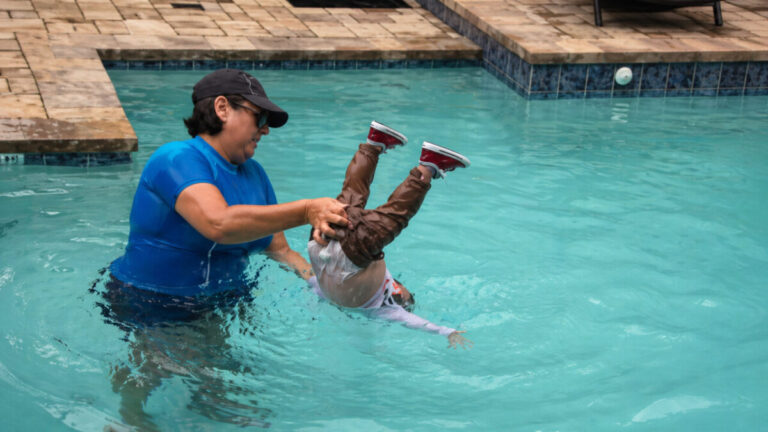
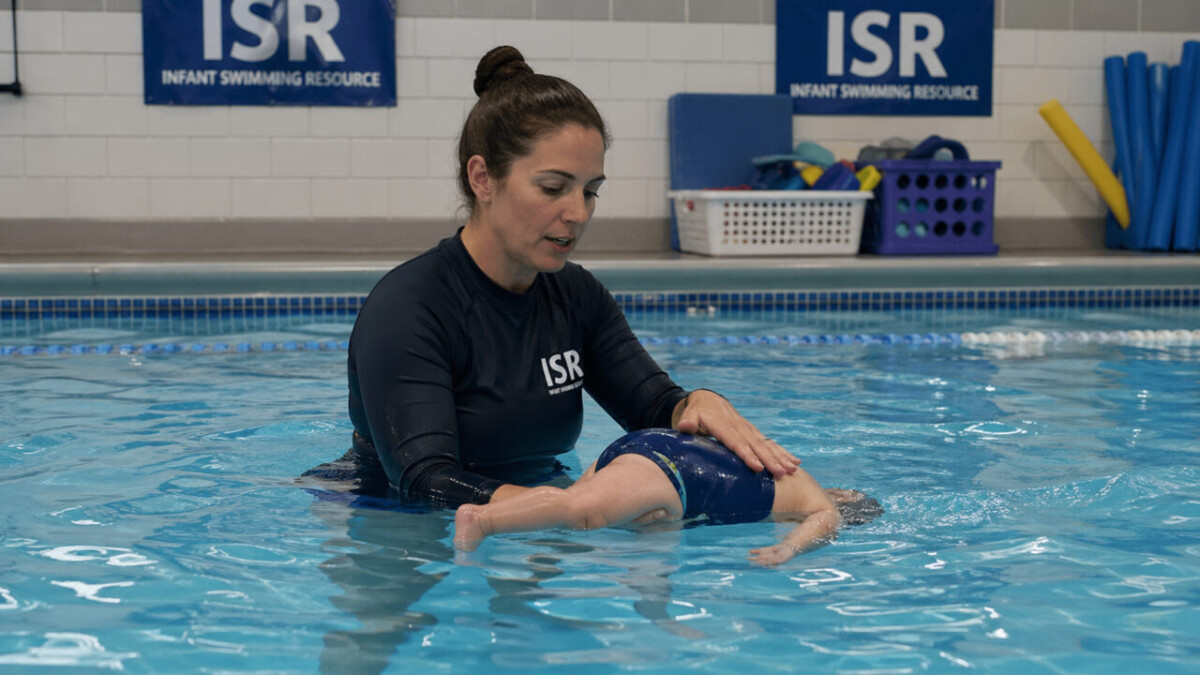
ISR is a branded form of survival swim instruction. Depending on age and readiness, a child may practice rolling to a back float, maintaining that position, or linking a swim-float-swim sequence. Short daily repetition is part of the method, not an optional detail.
That intensity can work for a family able to attend consistently and a child who recovers well between lessons. Read our full ISR swim lessons guide for the schedule, parent questions, benefits, and cautions.
What traditional lessons are designed to teach
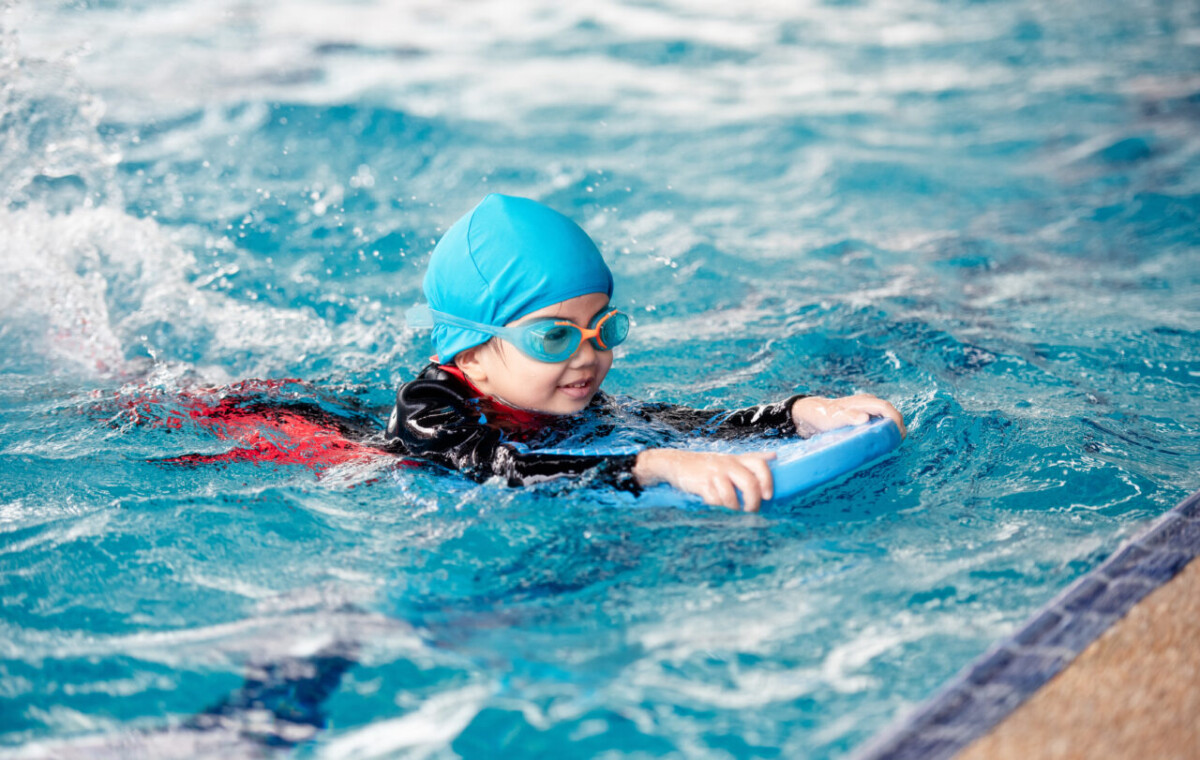
Traditional infant and preschool classes often begin with comfort, safe entries and exits, bubbles, submersion readiness, kicking, reaching, floating, and assisted movement. Later levels add independent propulsion and recognizable strokes.
The slower calendar can be easier for family logistics and for a child who needs time to trust the instructor. The drawback is that a once-weekly class may progress slowly without appropriate practice and repeated exposure.
Age, temperament, and medical readiness
The American Academy of Pediatrics says swim lessons can begin for many children after age one, based on readiness and exposure to water, while evidence does not show infant lessons under age one reduce drowning risk. Review the current AAP swim lesson guidance and talk with the child’s clinician when medical or developmental factors apply.
Watch the child, not only the curriculum. A good instructor adjusts pacing, explains the goal, allows recovery, and does not use fear or distress as proof of effectiveness. Persistent shutdown, disrupted sleep, or escalating panic deserves a pause and conversation.
Questions to ask either instructor
- What certification and current CPR training do you hold?
- What skill will my child practice first, and why?
- How do you respond when a child is distressed?
- Can parents observe, and how is progress documented?
- What health checks or feeding rules apply before a lesson?
- What happens after the initial program or class level ends?
The safety layers both programs still require
Use four-sided pool fencing, self-closing and self-latching gates, designated close supervision, caregiver CPR knowledge, and an approved life jacket in the setting where one is recommended. Inflatable arm bands are toys, not rescue equipment.
The lesson decision should add one protection layer. It should never justify leaving a child alone near a bathtub, pool, spa, retention pond, or natural water for even a short task.
Frequently asked questions
Is ISR better than regular swim lessons?
It is better for some families’ immediate survival-skill goal, while traditional instruction can be better for gradual comfort and long-term swim development. Instructor quality and child response matter.
Does ISR replace a life jacket?
No. Lessons never replace an approved life jacket where one is recommended, and they never replace close adult supervision.
Can a one-year-old take swim lessons?
Many children can begin after age one when developmentally ready. Ask the child’s clinician and evaluate the program, instructor, and child response.
Can a child do ISR and traditional lessons?
Some families move from a survival-focused program into progressive stroke lessons. Avoid overloading the child and make sure instructors understand the child’s prior experience.
Keep planning with ATL Playbook
Editorial note: Details were checked in August 2026. Prices, schedules, policies, and availability can change; confirm the final terms before paying or traveling.