Is Umbrella Plant Poisonous to Cats? What Pet Owners Need to Know
umbrella plant toxic to cats is the main question this guide answers. Start with the practical summary below, then use the seven-point umbrella plant toxic to cats checklist to compare your plant or situation with the detailed guidance that follows.
Understanding the Umbrella Plant
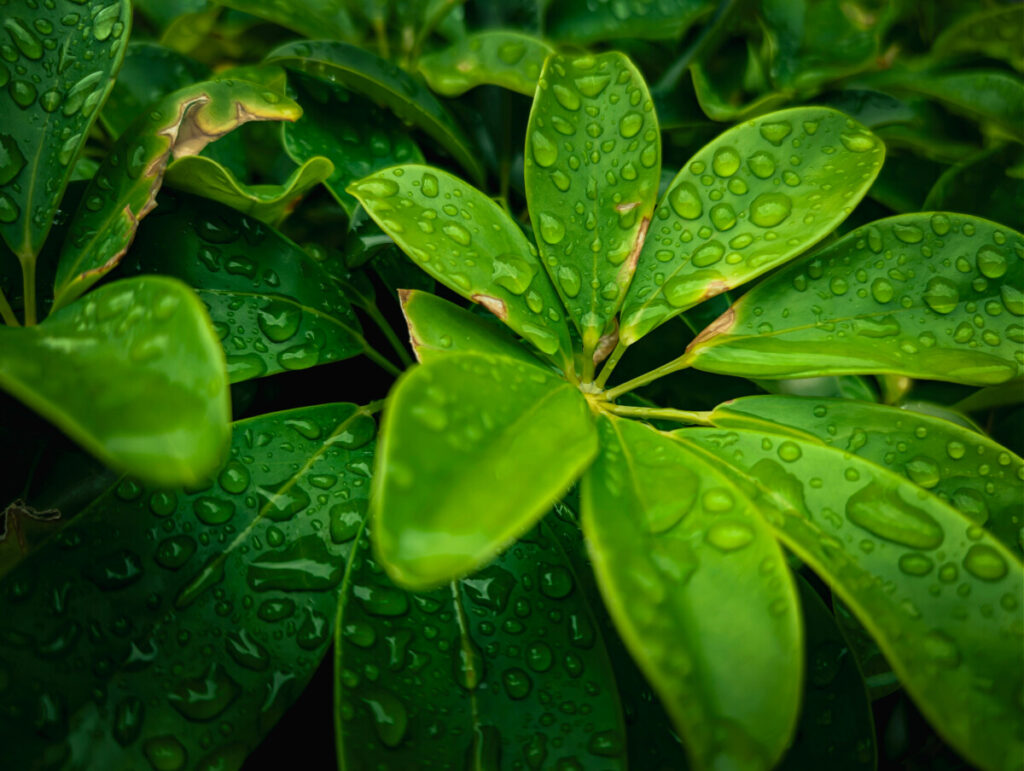
Before we address its toxicity to cats, let’s take a closer look at the umbrella plant. Also known as the dwarf umbrella tree or Hawaiian schefflera, the umbrella plant is a popular choice for indoor greenery enthusiasts due to its attractive foliage and low maintenance requirements. It features glossy, palmately compound leaves that resemble miniature umbrellas, making it a visually appealing addition to any home or office space.Toxic Components of the Umbrella Plant
While the umbrella plant is not classified as highly toxic to cats, it does contain compounds that can cause mild gastrointestinal upset if ingested. The leaves and stems of the umbrella plant contain calcium oxalate crystals, which can irritate the mouth, throat, and digestive tract of cats if chewed or swallowed.Symptoms of Ingestion
If a cat ingests parts of the umbrella plant, they may exhibit symptoms such as drooling, pawing at the mouth, vomiting, and diarrhea. In rare cases, ingestion of large quantities of the plant may lead to more severe symptoms, including difficulty breathing and swelling of the throat.Preventive Measures for Pet Owners
To keep your cats safe from potential harm, consider the following preventive measures:- Keep Plants Out of Reach: Place umbrella plants in areas that are inaccessible to cats, such as high shelves or hanging planters. This will prevent curious cats from nibbling on the leaves or stems.
- Monitor Your Cats: Keep a close eye on your cats when they’re around houseplants, especially if they have a tendency to chew on greenery. If you notice any signs of plant ingestion, such as drooling or vomiting, contact your veterinarian immediately.
- Consider Cat-Safe Alternatives: If you’re concerned about the potential toxicity of the umbrella plant, consider choosing cat-safe houseplants instead. There are plenty of options available, such as spider plants, Boston ferns, and African violets, that are safe for cats to be around.
Conclusion
While the umbrella plant is not considered highly toxic to cats, it’s essential for pet owners to exercise caution and be aware of the potential risks it may pose. By taking preventive measures and choosing cat-safe alternatives, you can create a safe and enjoyable environment for both your plants and your furry companions. So before bringing any new greenery into your home, be sure to research its potential toxicity to ensure the well-being of your beloved pets.umbrella plant toxic to cats: 7-point practical checklist
umbrella plant toxic to cats: Make prevention the priority: verify that the plant is Schefflera, move it beyond a cat’s reach, clear fallen leaves, and seek veterinary guidance promptly if exposure is suspected.
- Confirm both the common and botanical plant name.
- Place the plant beyond climbing and jumping access.
- Remove fallen leaves and spilled potting material.
- Watch for evidence of chewing or unusual behavior.
- Save a clear photo or label for identification.
- Contact a veterinarian or poison-control service promptly.
- Follow professional instructions instead of improvising treatment.
For a useful comparison, read our Umbrella Plant Pests and Diseases: How to Identify and Treat Common Issues and the ASPCA Schefflera safety reference. Use these notes when reviewing umbrella plant toxic to cats, and change one variable at a time so the result is easier to interpret.
Confirm that the plant is actually Schefflera by comparing its botanical name, leaflets, and trunk in Money Tree vs Umbrella Tree; similar silhouettes do not have identical household-safety profiles.