Emerald Palm (ZZ Plant): Identity, Care & Toxicity
Emerald Palm is a common name for the ZZ plant, Zamioculcas zamiifolia. In that usage, there is no “ZZ plant vs Emerald Palm” difference: they are the same species. The name is confusing because a ZZ plant is not a true palm, and some sellers use palm-like common names inconsistently.
The safest way to identify any plant sold as an emerald palm is to read the botanical label. If it says Zamioculcas zamiifolia, use ZZ plant care and toxicity guidance.
Is Emerald Palm the Same as ZZ Plant?
Yes, according to University of Florida, NC State, and University of Connecticut Extension references, “Emerald Palm” is among the common names for Zamioculcas zamiifolia. Other names include Zanzibar gem, eternity plant, and aroid palm.
| Name on label or listing | What it usually means | Botanical check |
|---|---|---|
| ZZ plant | Glossy, upright aroid houseplant with thick underground rhizomes | Zamioculcas zamiifolia |
| Emerald Palm | A common retail name for the same ZZ plant | Confirm Zamioculcas zamiifolia |
| Parlor palm | A true palm with fine, feather-like fronds | Chamaedorea elegans |
How to Identify an Emerald Palm / ZZ Plant
Glossy leaflets on thick upright stalks
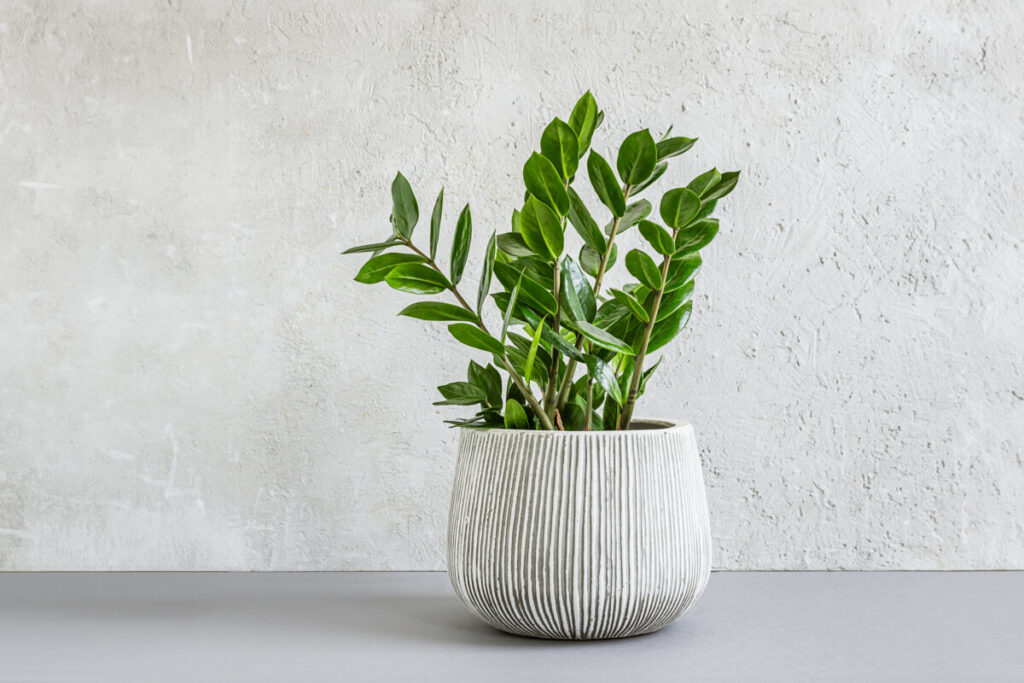
A ZZ plant sends thick, arching leaf stalks from the soil. Smooth oval leaflets line each stalk, creating the appearance of a polished palm frond. New growth is often lighter green and darkens as it matures.
Thick rhizomes below the soil
Potato-like rhizomes store water and help the plant tolerate missed waterings. They also make saturated, slow-draining soil especially risky because damaged rhizomes and roots can rot.
Why it is not a parlor palm
A parlor palm is Chamaedorea elegans in the palm family, Arecaceae. It has many narrow leaflets on fine fronds and does not share the ZZ plant’s thick aroid stalks and rhizomes. An earlier version of this article incorrectly treated Emerald Palm as parlor palm; the botanical name corrects that error.
Emerald Palm Care Guide
Light
Provide medium to bright indirect light for stronger growth, although a ZZ plant tolerates lower light better than many houseplants. Avoid suddenly placing a shade-grown plant in harsh direct sun, which can scorch leaves.
Water
Let the mix dry well between thorough waterings, then drain the pot completely. The rhizomes store water, so overwatering is more dangerous than a short dry interval. Use soil feel, pot weight, light, and season—not a fixed calendar. Our ZZ plant watering guide explains those checks.
Soil and pot
Use a well-draining indoor mix in a pot with an open drainage hole. Do not allow the nursery pot to stand in water inside a decorative cover pot. Repot only when roots and rhizomes have genuinely crowded the container.
Temperature and fertilizer
Keep the plant in stable household warmth away from cold drafts. Feed conservatively during active growth with a balanced houseplant fertilizer; university references suggest ZZ plants need relatively little fertilizer.
Is Emerald Palm Toxic?
Yes. Because Emerald Palm is a ZZ plant, its tissues contain calcium oxalate crystals that can irritate the mouth and throat if chewed and may irritate skin or eyes after contact with sap. Keep the plant and fallen pieces away from children and pets.
For people, read Is the ZZ Plant Toxic to Humans? For pet-specific symptoms and next steps, use Are ZZ Plants Toxic to Cats and Dogs?
Emerald Palm Problems
Yellow leaves and soft stems
Check for persistently wet mix, blocked drainage, or dark soft rhizomes. Allowing the surface alone to dry is not enough if the lower pot remains saturated.
Leaning or stretched growth
Move the plant gradually toward brighter indirect light and rotate it periodically. Very low light slows growth and can create widely spaced, weaker-looking stalks.
Brown leaf tips
Review severe drought, damaged roots, accumulated fertilizer salts, and hot or cold drafts. Do not assume every brown tip means the air is too dry.
If the foliage has cream, yellow, or pale sections rather than damage, compare new growth with our ZZ plant variegation guide before changing the watering routine.
Emerald Palm FAQs
Is Emerald Palm a real palm?
No. Zamioculcas zamiifolia belongs to the aroid family, Araceae. “Palm” is only part of a common name.
Is Emerald Palm pet safe?
No. When the plant is Zamioculcas zamiifolia, it has the same calcium oxalate hazard as every ZZ plant. Keep it inaccessible and call a veterinarian after suspected chewing.
How often should I water an Emerald Palm?
There is no universal number of days. Water after the mix has dried appropriately through the pot, then soak and drain. Lower light, a large pot, dense soil, and cool temperatures all extend the interval.
Reliable Identification Sources
The Emerald Palm synonym, ZZ plant care, and toxicity facts were checked against the University of Florida IFAS poisonous houseplant guide and NC State Extension. University extension references also document parlor palm as the separate species Chamaedorea elegans.